








Rethinking Environmental Impact: Moving Beyond Guilt to Strategic Influence
We’ve all heard the classic mantra: recycle, reduce, reuse. It’s become almost background noise at this point, hasn’t it? For those of us itching to make a real dent in environmental issues, the usual checklist barely scratches the surface. Speaking from experience, our team has found that simply feeling guilty or making small personal sacrifices doesn’t cut it. Real, lasting change? That demands a whole new mindset—one that’s less about being perfectly “green” in private and more about using our voices, skills, and connections to drive collective action. The environment needs us to think bigger, ditch the lone-hero act, and zero in on strategies that create a ripple far beyond what any one of us can do alone. Let’s dig into what it really looks like to make that shift together.

To get past that creeping sense of eco-guilt—so common in environmental messaging—we need to rethink not just what we do, but where and how we can have the greatest influence. Sure, you could stress endlessly about every scrap of plastic packaging. But what if, instead, you showed up at a city council meeting to champion cleaner public transit? Or joined a neighborhood working group to brainstorm local climate adaptation ideas? These kinds of moves multiply your impact: suddenly, it’s not just your own effort, but the energy of a whole community coming together. Think of environmental action less like a list of chores and more like a creative, collaborative challenge. Whether you step up as an organizer, advocate, or just share your knowledge within your friend group, you’re planting seeds that could grow in ways you never expected. In our experience, inspiring even a handful of people to join you can unleash collective power that far outpaces what one person could ever manage solo.
Expert Leverage: Where Our Actions Punch Above Their Weight
Let’s be real—not all “green” actions have the same impact. Sure, rinsing out your yogurt containers is a decent habit, but that’s a pretty tiny pebble to throw in the pond. Where we’ve seen environmentalism really move the needle is when people focus on high-leverage changes. Sometimes, it’s as simple as switching to an electricity provider that sells 100% renewable energy—even if it means paying a little more. Other times, it’s joining forces with local advocacy groups to push for citywide composting, or choosing to invest in companies that prioritize cutting carbon. We saw this firsthand: a coalition in our own city successfully lobbied for a green energy grid, and the result? A massive drop in emissions, more than years of swapping out lightbulbs could ever achieve. The lesson is clear: the biggest bang for your buck is in the realms of policy, purchasing, and organizational influence—not just feel-good personal routines.
One high-impact area people often overlook? The workplace. Think about it: most of us spend a huge chunk of our lives on the job, but rarely do we see it as a platform for change. We’ve watched ordinary employees become catalysts for real sustainability when they speak up for greener procurement, remote work options, or more ethical supply chains. Just one mid-sized tech firm we advised made the switch to renewable-powered cloud services—a move that ended up slashing their carbon footprint by as much as if 500 families all went solar overnight. In short: if you want your green efforts to go further, don’t stop at home. Get curious about how your influence in the workplace can tip the scales.
There’s real power in the hands of professionals, too—maybe more than most of us realize. An architect’s blueprint can lock in energy savings for generations, cutting building emissions dramatically for every inhabitant. A teacher can weave climate literacy into lessons, shaping how hundreds of kids think about the planet for life. Procurement officers in, say, a hospital or school district, have the authority to redirect millions in purchases toward sustainable suppliers, sending ripple effects through entire industries. These roles may seem niche, but every one is a launchpad for broad, lasting change if we use our expertise and status wisely. By spotting these hidden levers—often where we already have a voice—we’re able to stretch our impact as wide and as deep as possible.
And don’t underestimate the magic of teaming up. When professionals, local businesses, unions, or associations combine resources and strategize together, doors start opening: markets shift, government policies move, and stories change. We saw a group of local businesses team up to advocate for better bike lanes—a proposal that might’ve been ignored if it came from just one shopkeeper. The upshot? Your best bet is to find your leverage point, team up with allies, and focus your energy where it can really set things in motion.
Harnessing Technology for Smarter, Data-Driven Action
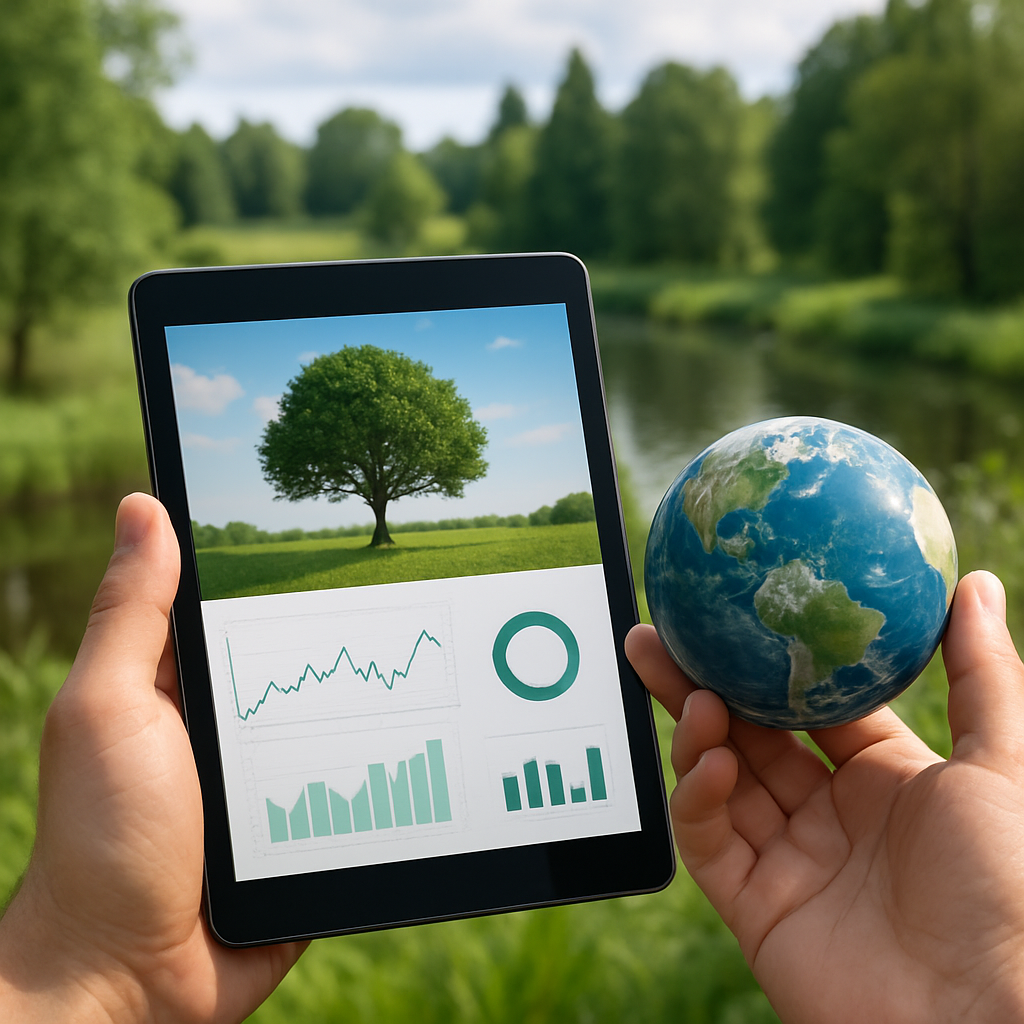
Let’s face it—the environmental challenges we’re up against today are huge, and fortunately, so are the tools at our disposal. We are living in a golden era of environmental data: live satellite imagery, real-time air quality alerts, blockchain supply tracking—the list keeps growing. And yet, most of us barely scratch the surface of this digital goldmine in our daily choices. Our team genuinely believes the future belongs to those who use data to sharpen, measure, and fine-tune their environmental efforts.
Take, for example, apps like JouleBug or Oroeco. They let you see exactly where your carbon footprint spikes, zeroing in on the habits that matter most. Or smart thermostats—not only do they save money on your bills (who doesn’t love that?), but they also feed data back to utilities, helping them predict demand and lower reliance on dirty fuels. Even something as simple as a browser extension can flag the carbon intensity of your online shopping, nudging you toward options that are easier on the planet. By weaving tech-enabled tools into our decision-making, we move from being passive consumers to savvy agents who push both markets and policymakers to do better.
But here’s the thing: data is only meaningful if it actually changes what we do. It’s too easy to fall down the digital rabbit hole and forget the real-world action. The trick is to use these insights to focus your efforts where they’ll count—maybe that means shifting to more plant-based meals if your carbon tally points to food, or joining a community solar program if energy is your biggest culprit. Tech isn’t a magic solution by itself, but it’s the guide that helps us aim our efforts where they’ll pay off the most.
What’s really exciting is how technology is making things transparent in ways we could only dream of before. Think about blockchain: now you can scan a QR code on your coffee or seafood and see its whole supply chain journey—so you’re less likely to be supporting shady fishing operations or deforestation somewhere down the line. Or those satellite-based monitoring networks: they let governments and citizen groups keep an eye on deforestation or illegal mining as it happens, allowing for quick action and smarter advocacy. In places where government oversight is stretched thin (or just plain absent), these tools are lifelines.
On a more personal scale, data tools have gotten downright user-friendly. Utilities like PG&E and Con Edison now have online dashboards where you can track your family’s energy and gas use by the hour, compare with other homes, and get tailored advice for cutting waste. Sometimes, you find surprises—like that ancient fridge in the basement sucking up way more power than you thought. Tracking this stuff lets you target fixes that actually make a dent in both your environmental impact and your wallet.
And let’s not forget: technology supercharges how we organize and mobilize. Social media and digital petitions have turbocharged the growth of environmental campaigns, breaking down barriers of distance or background. Platforms like Change.org and Avaaz let grassroots movements bypass traditional gatekeepers and get straight to decision-makers, with some campaigns seeing policy shifts in a matter of weeks. Embracing these tools means our environmental actions can be quicker, smarter, and more powerful than ever before.
Consumer Power: Voting With Wallets, Voices, and Networks
Let’s be honest, it’s easy to feel like your individual choices are just a drop in the ocean. But the reality is, markets can be surprisingly responsive when enough people start pulling in the same direction—and they tend to notice when demand shifts in clear, visible ways. Working with sustainable brands and advocacy groups, we’ve witnessed consumer power play out in three big ways:
- Buying patterns: When you consistently pick low-impact options—especially those with trustworthy certifications like B Corp or Cradle to Cradle—you’re sending a clear message to entire industries. For instance, that surge in plant-based food sales? It’s forced even the biggest chains to rethink their menus and suppliers.
- Social signaling: Sharing your environmental choices, whether online or face-to-face, helps normalize them. We’ve watched EV owners in our circles post about their cars, sparking curiosity among neighbors—and before long, local EV sales started climbing.
- Organized advocacy: Coordinated efforts—petitions, campaigns, or even just bombarding companies with feedback—tend to get way more traction than lone-wolf boycotts. A global fashion brand we followed didn’t just clean up its supply chain after public pressure; it also forced competitors to keep up.
The best part? None of this hinges on being perfect. It’s about being steady and visible. Rather than aiming to be the “greenest” person in the room, use your choices to build momentum, draw others in, and amplify what works. True progress happens when we’re connectors and amplifiers, not isolated eco-warriors.
Think about the impact of collective “boycotts” and “buycotts”—actively supporting brands that walk the talk on environmental commitments. Take the sudden popularity of fair-trade coffee and cocoa: it nudged big exporters to improve working conditions and environmental practices, benefiting farm communities and ecosystems alike. Similarly, when customers demanded BPA-free plastics or responsibly sourced palm oil, major brands responded by reformulating products and cleaning up their supply lines. Some of these changes take time, sure, but they prove that well-organized consumer action can rewrite industry standards.
And then there’s the snowball effect of social media. Instagram, TikTok, and other platforms where influencers showcase eco-friendly goods have driven nationwide buzz around things like reusable bottles, bulk stores, and even stainless steel straws. One viral video can put a whole new product or sustainable practice on the map overnight. When consumers speak up—publicly and loudly—it nudges both peers and brands to shift gears.
Group advocacy is a true game-changer. Local campaigns for plastic bag bans or restaurant composting have resulted in policy wins in cities all over the world. The Plastic Free July challenge (which started in Australia, by the way) has inspired millions to cut single-use plastics, in turn pressuring stores to stock alternatives and officials to pass new rules. By jumping into these networks, or starting your own, you help build the social “critical mass” needed for change to stick.
In the end, the biggest impact comes when we work together—not alone. Whether that means pooling money for community solar, joining a food co-op, or banding together for group discounts on high-efficiency appliances, a united front pushes industries to raise their game. By coordinating our shopping, our messages, and our activism, we morph from scattered individuals into a serious force for progress.
Facing Trade-Offs Honestly: The Realities Behind the Headlines
Here’s something that rarely gets said: environmental action isn’t about chasing some mythical “zero impact” lifestyle. The real world is messier than headlines make it seem, and every decision comes with trade-offs. Electric cars, for example, are much cleaner to run, but their batteries require rare minerals that aren’t exactly impact-free to mine. Organic agriculture cuts down on pesticides, but it usually takes more land. If we really want to move the needle, we have to face these dilemmas head on, with honesty and curiosity rather than wishful thinking.
That’s why we’re big fans of tools like life cycle analysis. Instead of just trusting gut feelings or hopping onto the latest eco-trend, we ask: Where did this product actually come from? What happens after I’m done with it? Who’s helped—or harmed—along the way? What side effects might I be missing? Take paper vs. plastic bags: switching to paper seems like an easy win… until you realize the paper might come from unsustainably logged forests, which can make things worse overall. There are rarely perfect answers, but asking these questions leads to better, more responsible choices.
As we work for change, a little humility goes a long way. What works in one city or household might flop somewhere else. The environmental movement is a work in progress; we’re always learning and trying to do better. We certainly don’t have all the solutions, but we’re committed to adapting as new evidence comes in—and we hope you are, too.
Just look at the whole biofuels saga. Corn-based ethanol was once touted as a climate-friendly gasoline substitute, but when researchers dug into full life cycle emissions, they found the benefits could vanish—or even backfire—depending on farming methods and land use. Or take “compostable” plastics: they sound great, but many require industrial composting sites that don’t exist in most towns, so they end up as landfill or contaminate recycling streams. These stories underscore why it’s so important to look beyond labels and understand the whole system behind any product or practice.
Honest trade-offs also mean admitting when your favorite idea just isn’t the best fit. Solar panels are amazing, but they work better in sunny, open places than in dense, cloudy cities. In a packed downtown, a district heating system or shared wind power might do more good. Likewise, electric cars aren’t a silver bullet in regions where the electric grid still runs mostly on coal. The main thing is to stay curious, keep evaluating, and avoid getting locked into one-size-fits-all thinking.
When we’re upfront about these complexities, it doesn’t make us weaker—it makes us more credible. Acknowledging the limits and pitfalls of our choices opens up space for honest dialogue, fresh ideas, and ongoing improvement. This kind of transparency isn’t just healthy for the movement; it’s essential for winning over skeptics and building enduring progress together.
Building Environmental Resilience: From Individual Action to Collective Systems
At the end of the day, protecting the environment is about way more than what any one person does alone. The future depends on building resilient communities and systems that can weather whatever comes their way—wildfires, floods, supply chain shocks, you name it. Over and over, we’ve seen the most inspiring progress where people pool their efforts: setting up local food networks, installing microgrids, sharing tools and skills. Take community gardens: these patches of green do more than just supply fresh veggies—they spark friendships and strengthen neighborhoods, which pays off big time in a crisis.
Looking for ways to build resilience isn’t just smart—it’s motivating. Maybe that means joining a mutual aid group, pushing your city to invest in green infrastructure, or supporting regenerative farming in your area. When we focus on resilience, we’re not just minimizing harm—we’re creating a foundation that enables people and ecosystems to thrive, no matter what curveballs the world throws our way. Sometimes, that’s the best kind of environmental stewardship there is.
There’s no shortage of inspiring examples. Across Europe and North America, towns have banded together to fund community-owned wind turbines or solar farms. The payoff? Clean energy, new local jobs, profits staying in the neighborhood, and a buffer against volatile energy prices. Or consider local food hubs: by connecting farmers, stores, and consumers directly, these networks have proven downright critical during global supply chain disruptions—ensuring healthy food keeps flowing while shrinking emissions from long-haul trucking.
Resilience isn’t just about tech and infrastructure; it’s about relationships, too. Communities that invest in trust, inclusion, and shared purpose are better equipped to face whatever environmental curveballs come their way. Simple programs like time banks—where people swap services without money—or neighborhood swap meets for reusing goods, help weave the social fabric tighter while cutting down on waste. These might sound modest, but they’re the building blocks for the kind of collective action that can scale rapidly in a crisis.
Think of cities like Rotterdam, which have doubled down on green infrastructure: parks that serve as emergency floodplains, housing built to withstand storm surges, and early-warning systems for severe weather. These investments not only reduce risk, but also spark new community connections and innovation. On a smaller scale, things like emergency neighborhood networks, lending libraries for tools, or community rideshares all help keep people afloat when disruptions hit—while shrinking overall resource use.
In the end, the road ahead isn’t paved by lone heroes or isolated actions—it’s built through the steady, patient work of creating resilient systems rooted in equity, adaptability, and shared purpose. By turning our attention to collective solutions, we lay the groundwork for environmental progress that endures and evolves, whatever the future has in store.