










Understanding Sustainability: The Evolving Landscape
Sustainability has come a long way from being a catchphrase used mainly by environmental advocates and policymakers. These days, it’s become a serious business concern—a genuine must-have for any company hoping to stay relevant, resilient, and responsible. At its heart, sustainability is about meeting our own needs without blocking future generations from meeting theirs. It’s a deceptively simple idea that stretches into every corner of our lives, from how we manage resources to how companies govern themselves. But let’s be honest: the journey to true sustainability is anything but simple. As our supply chains grow increasingly global and consumers get more vocal about what they want, everyone—businesses and individuals alike—has to juggle turning a profit with doing what’s right environmentally and socially.

One thing industry insiders agree on: there’s no single “right way” to make things sustainable. What works for a sprawling international manufacturer isn’t going to fit a small boutique retailer or the latest tech startup. Take Ellen MacArthur as an example—she’s the founder of the Ellen MacArthur Foundation and a big advocate for rethinking how resources flow through our economy by promoting “circular” models that keep materials in use for as long as possible. In industries like fashion, agriculture, and energy, trailblazers have found all sorts of creative ways to combine innovation with integrity. A common thread among experts? Real sustainability calls for a clear vision, defined and measurable goals, and buy-in from everyone—not just upper management, but everyone with a stake in the game.
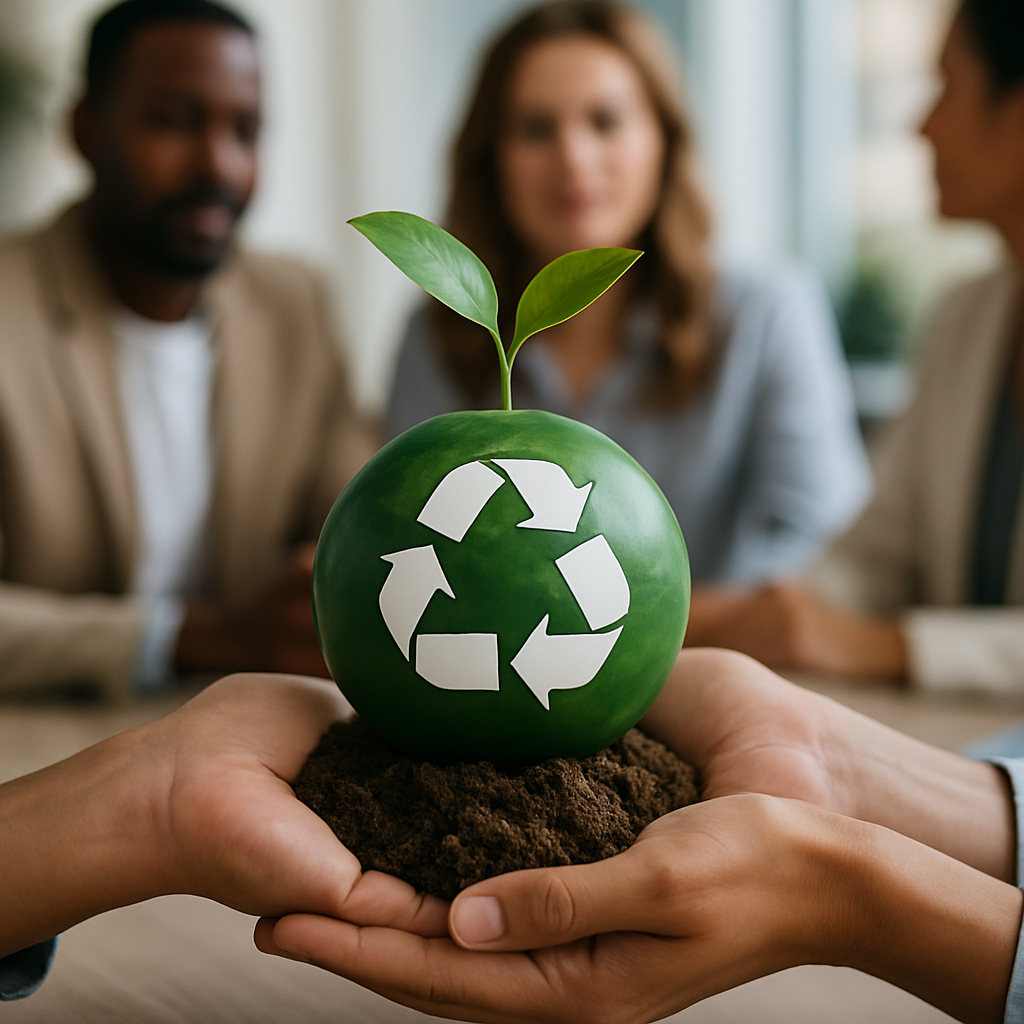
One of the biggest changes we’ve seen lately is the shift from superficial “green” gestures to deep, meaningful, measurable change. Investors and regulators are no longer satisfied with vague promises—they want the receipts. They’re demanding transparency and accountability, which has led many leaders to push for robust ESG (environmental, social, and governance) frameworks. These frameworks track and report progress, holding organizations’ feet to the fire and encouraging continuous improvement. If you’re just getting started, wrapping your head around this shift is key to making choices that actually fit your values—and set you up for long-term success.
It seems like every year brings a new twist in the sustainability landscape. For instance, big-picture agreements like the Paris Climate Accord, the European Union’s Green Deal, and China’s ambitious target to peak emissions before 2030 have raised both the stakes and the expectations for the private sector. It’s not enough for companies to simply follow the rules anymore; there’s a growing expectation that they step up as proactive leaders in this global transition to a low-carbon economy. The COVID-19 pandemic, if anything, really drove home the message that environmental well-being, social fairness, and economic stability are all tightly interconnected. Many organizations, prompted by these realities, have taken a hard look at the risks lurking in unsustainable practices.
There’s no shortage of examples. Think about companies like IKEA or Apple, which have pledged to use only renewable or recycled materials in their products. Even much smaller businesses are getting in on the act—cutting down on packaging waste or prioritizing local suppliers in order to lighten their environmental footprint. Cities are joining in too, investing in green infrastructure like solar-powered buses or launching zero-waste initiatives that reshape how urban spaces function. These moves are a reminder that sustainability touches every aspect of society, from the choices we make as shoppers to the ways we design and run our communities.
And let’s not forget technology. The rise of artificial intelligence and big data analytics is helping everyone track emissions, resource use, and supply chain impacts with a level of precision that used to be impossible. Even blockchain—the tech behind cryptocurrencies—is being used to bring more transparency to sourcing raw materials, making it that much harder for illegal logging or conflict minerals to slip through the cracks. Thanks to these breakthroughs, vague promises can finally be replaced with concrete, verifiable results.
Expert Strategies for Embedding Sustainability in Business
Talk to any sustainability thought leader and you’ll hear the same advice: if you want to make a real difference, sustainability can’t be something that just sits on the side or gets trotted out for marketing purposes. It has to be woven into the very DNA of the organization. That starts at the top—companies led by boards and executives who truly believe in sustainability are much more likely to set serious goals and create an environment where accountability is the norm, not the exception.
One strategy that’s gaining a lot of traction is setting science-based targets. By syncing up your company’s goals with the latest findings from climate science, you make sure your efforts actually move the needle on big-picture issues (like the ones laid out in the Paris Agreement). Paul Polman, the former CEO of Unilever, is a classic example—he turned sustainability into a core value for the company, and the results spoke for themselves. In one year, Unilever’s “Sustainable Living” brands grew 69% faster than the rest of its portfolio, proving that being responsible can go hand in hand with making money.
Another big one is lifecycle analysis (LCA). This is where you zoom out and look at the environmental impact of a product from start to finish—from digging up raw materials all the way to disposal. Industries ranging from cars to electronics have discovered some pretty surprising sources of waste and emissions this way, opening the door for smarter designs and more responsible material choices. Experts say the key is to keep testing, measuring, and tweaking—try small changes, see what works, and then double down on the best ideas.
Of course, the specific approach depends on the industry and the company’s unique situation. In construction, firms like Skanska have really raised the bar by adopting green building standards like LEED and BREEAM. These standards set clear metrics for things like energy efficiency, water use, and building materials. Not only do they shrink the company’s environmental impact, but they also appeal to eco-minded clients and investors. On the retail side, Patagonia is a standout; the company has made its supply chain radically transparent, sharing information about its manufacturers and being upfront about the environmental costs of its products. This honesty has helped build a loyal customer base that trusts the brand’s intentions.
Let’s not forget about the people who make it all happen—employees. Companies that encourage their staff to pitch ideas and take the lead on sustainable initiatives often see a surge in creativity and better follow-through. Just look at Google. Their internal sustainability programs actively invite employees to propose and steer projects, from cutting down office waste to boosting energy efficiency in their massive data centers. This kind of grassroots involvement uncovers practical solutions that might never have crossed the radar of upper management.
Buying power is another lever for change. By setting firm rules for suppliers—like requiring certain certifications, ethical labor practices, or low-carbon manufacturing—companies can extend their sustainability influence well beyond their own walls. Walmart’s Project Gigaton is a huge example here: the company aims to eliminate a billion metric tons of greenhouse gases from its global value chain by 2030, using its supplier network to push for widespread change.
Fresh Perspectives: Collaboration, Innovation, and Social Impact
While it’s easy to focus on the environmental side of things, top practitioners are quick to point out that sustainability is a much broader concept. It’s not only about shrinking carbon footprints; it’s also about social fairness and economic strength. One of the most effective ways to move the dial is through collaboration—reaching across sectors and teaming up at the community level. For example, when fashion brands join forces with supply chain partners, they can source sustainable fibers at the kind of scale that would be impossible alone. Similarly, food producers working hand-in-hand with local farmers can cut down food miles and improve livelihoods.
Innovation is another major driver. We’ve seen everything from biodegradable packaging in the consumer goods sector to AI-powered energy optimization in manufacturing. But there is a caveat: experts caution that it’s not about chasing technology for its own sake. The projects that really succeed are the ones that blend high-tech solutions with community input and local expertise. Take microgrid projects in the energy world—these have flourished when designed in close partnership with the communities that use them, addressing more than just environmental needs, but social ones too.
Social impact is getting more attention these days, and for good reason. Initiatives that lift up workers, champion diversity, and support marginalized communities don’t just make companies look good—they actually strengthen the business. B Corps and social enterprises are great case studies here; they’re proof that putting people and the planet first can give a company a real competitive edge instead of being a financial drag.
There are plenty of real-world stories that show the power of collaboration and innovation. The Sustainable Apparel Coalition, for example, pulls together brands, manufacturers, and NGOs to create common tools—like the Higg Index—for measuring environmental and social impacts in the fashion industry. By working together on shared standards, they can make much bigger strides than any one company could alone. In the food industry, the Roundtable on Sustainable Palm Oil (RSPO) gets producers, retailers, and environmental groups around the same table to tackle deforestation and human rights challenges—showing just how powerful cross-sector teamwork can be.
On the innovation front, Tesla has shaken up the car industry by making electric vehicles not just practical, but genuinely desirable. Their success has helped speed up the shift away from fossil fuels. Meanwhile, startups are coming up with entirely new business models in the circular economy space—from offering products “as a service” to building platforms for repair and refurbishment. These approaches prioritize durability and resource efficiency, cutting down on waste and building deeper customer loyalty along the way.
Social impact projects can look very different depending on the industry. In agriculture, fair trade certification helps ensure farmers are paid fairly and treated with respect. In tech, employee volunteering programs are increasingly popular. Ben & Jerry’s is a classic example—they’ve turned activism into a core part of their brand, using their platform to support social justice while building a fiercely loyal customer base. Meanwhile, microfinance institutions and co-ops in developing countries are empowering women entrepreneurs and fostering economic growth from the ground up. All told, these examples drive home the point that social sustainability is inseparable from environmental and economic health—and that businesses do well by doing good in the communities where they operate.
Measuring What Matters: Data, Transparency, and Accountability
There’s one thing everyone in this field seems to agree on: if you can’t measure it, it’s all too easy for sustainability efforts to turn into empty gestures. That’s why transparent reporting frameworks like the Global Reporting Initiative (GRI), Carbon Disclosure Project (CDP), and Sustainability Accounting Standards Board (SASB) have become so important. These tools allow organizations to put hard numbers to everything from greenhouse gas emissions to labor practices, making it possible to compare performance across companies and industries.
But reporting is just the beginning. The real magic happens when organizations use data to actually drive decision-making—not just to check a box at the end of the year. For example, some logistics companies have managed to slash their emissions by using real-time data to optimize delivery routes, which saves fuel and cuts costs. Over in agriculture, precision farming tools let growers dial in water and pesticide use, boosting yields while minimizing the environmental footprint. Smart use of data can often be a win-win for both the planet and the bottom line.
Getting accountability right can be a challenge, though. Experts recommend setting clear, time-bound targets—and tying executive bonuses or other incentives directly to sustainability outcomes. This is a growing trend among large corporations and it helps ensure that sustainability isn’t left to chance or the goodwill of a few individuals. Even for smaller organizations, simple steps like regular progress reviews and public updates can build a culture of responsibility and continuous improvement.
Consider how Microsoft approaches this: they publish a detailed sustainability report every year, tracking their progress toward becoming carbon negative. They back up their claims with third-party audits and lots of verifiable data. This openness strengthens trust with stakeholders and keeps the company moving forward. Brands like Nike and Adidas take a similar approach, laying out comprehensive information about their supply chains and labor practices so that both investors and customers can make informed decisions.
The explosion of digital tools in recent years has made it much easier for even small and midsize organizations to track and report their progress. Cloud-based systems, for example, can automate data collection from multiple locations, monitor key performance indicators, and spit out reports that line up with major frameworks. These tools take a lot of the busywork out of reporting and make it easier to spot trends or areas ripe for improvement.
True accountability also means not sweeping failures under the rug. Companies that are honest about setbacks—missed targets, unexpected challenges, you name it—tend to learn from their mistakes and adapt faster. In fact, being transparent about both the wins and the bumps in the road fosters a culture of honesty and helps the entire industry move forward. When organizations commit to this kind of openness, they show they’re in it for the long haul, not just playing sustainability for PR points.
Getting Started: Practical Steps for Individuals and Organizations
If you’re new to the world of sustainability, the sheer volume of certifications, frameworks, and tools can feel overwhelming. One useful place to begin is with a materiality assessment—basically, figuring out which sustainability issues truly matter for your business, your customers, and other key stakeholders. This usually involves some mix of interviews, surveys, and good old-fashioned listening. The goal is to focus your efforts where they’ll actually make a difference, rather than ticking boxes on a generic checklist.
Once you know where to focus, the next step is to set realistic, concrete goals. Whether that means slashing waste by 30% over five years or boosting the diversity of your suppliers, targets should be specific, measurable, and within reach. Experts warn against trying to do everything at once—spreading yourself too thin can lead to burnout and lackluster results. Pick a handful of priorities, set achievable deadlines, and build from there. Along the way, invest in education and engagement; workshops, training sessions, and open forums can all help bring people on board and surface creative ideas from across your organization.
It’s not all up to companies, either. Individual choices matter more than many people realize. Supporting brands that prioritize sustainability, cutting personal energy use, or pushing for responsible policies in your community—these all add up. Experts regularly highlight the power of collective action: when enough consumers, employees, or investors demand better, companies are forced to respond. The path to sustainability is an ongoing process, full of trial and error, learning, and the occasional leap of faith. The best strategies, according to those who’ve been there, are the ones that mix ambition with practical reality, and vision with action that can be measured and tracked.
For organizations just starting out, some of the most effective first steps are pretty straightforward. Take stock of your current environmental footprint: energy use, waste output, water consumption, all of it. Basic audits can identify “quick wins”—things like switching to LED lighting, reducing paper usage, or simply making double-sided printing the default. Getting employees involved by forming green teams or sustainability committees can generate new ideas and keep the momentum going. Many companies also find it helpful to partner with external experts or join industry groups to learn from others and benchmark their progress.
Certifications such as ISO 14001 for environmental management or Fair Trade for ethical sourcing can provide structure, credibility, and a network of support. They often come with toolkits, training materials, and peer support to help organizations stay on track. For smaller businesses, even informal pledges—like banning single-use plastics in the office kitchen or offsetting emissions from business travel—help foster a culture of sustainability over time.
On a personal level, practical steps might include cutting down on meat, choosing public transport or biking, minimizing your own waste, and taking part in local clean-up projects. Sharing what you learn—whether it’s swapping tips with friends or posting about your journey online—can help spread the movement. Advocacy isn’t limited to big gestures either: voting for policies that protect renewable energy, biodiversity, or social justice, or volunteering with local nonprofits can all make a meaningful difference.
The bottom line? Start wherever you are and build from there. Celebrate the milestones, big and small, and don’t be discouraged by the inevitable setbacks—they’re all part of the process. Sustainability is never a “one and done” goal; it’s an ongoing journey that evolves as technology advances and societal expectations shift. By staying informed, setting clear priorities, and building a culture that values learning and accountability, both individuals and organizations can help create a more sustainable future for everyone.