










Redefining Sustainability: Beyond Compliance to Competitive Advantage
Let’s be honest—when most folks hear the word “sustainability,” they still picture a checklist or a scramble to meet regulatory demands. It’s seen as just another compliance box to tick. But after years in the trenches with companies across different sectors, I can say with confidence: sustainability, when woven thoughtfully into a business’s DNA, can supercharge performance in ways that go far beyond avoiding fines or getting a green stamp. The secret is how we frame our ambitions and embed sustainability deep into everyday operations. Instead of letting it live as a separate department or a once-a-year project, we treat it as a lens for all decisions—whether that’s how we design products, organize our supply chain, engage staff, or shape the customer experience. Through this holistic view, opportunities that never appear on generic checklists suddenly pop up, and long-term risks get addressed before they become headaches.
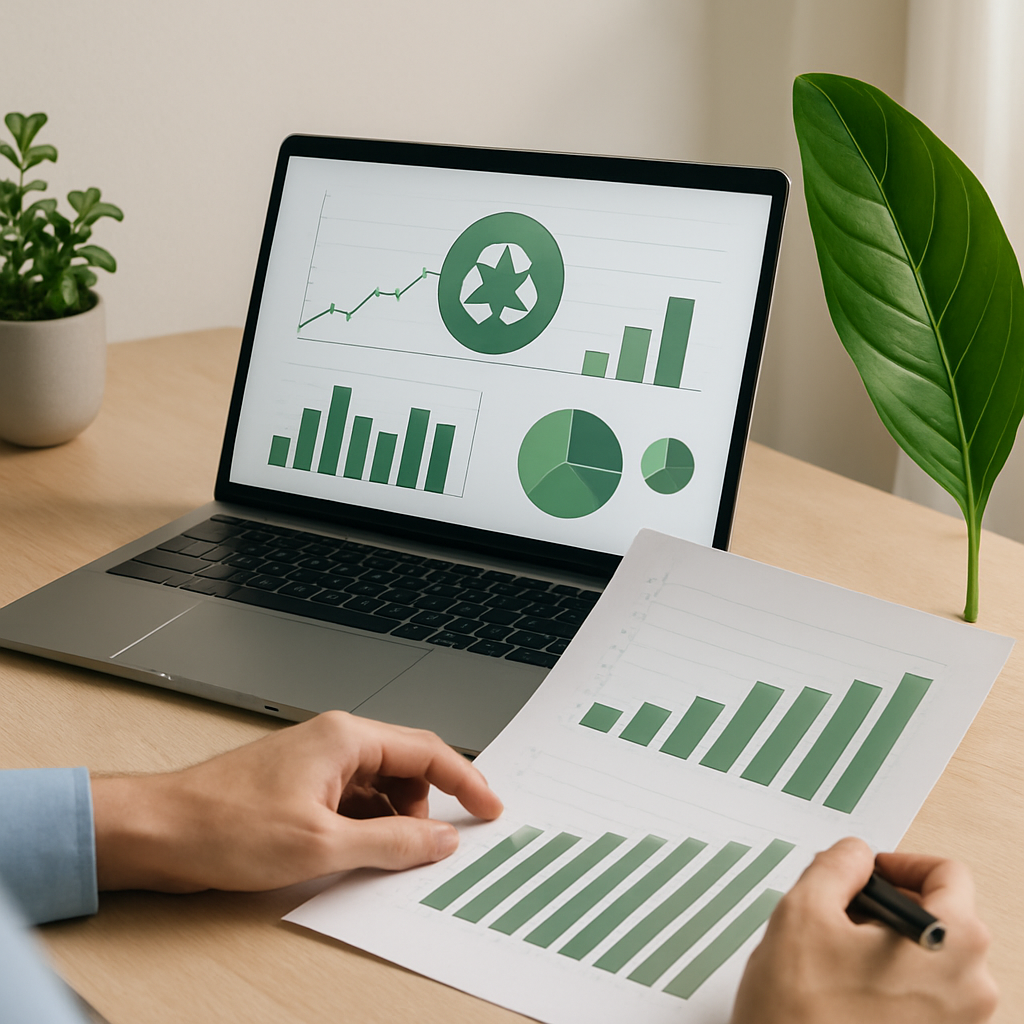
Take one project we did with a mid-sized electronics manufacturer. We didn’t just slap “recycled packaging” on their to-do list and call it a day. Instead, we rolled up our sleeves, mapped out the entire product journey, and pinpointed where inefficiencies were hiding—right back to how they sourced raw materials. By teaming up with their suppliers, we even redesigned components to be easier to repair, not just replace. The payoff? Over three years, material costs dropped a remarkable 17%. Even better, the company discovered fresh marketing stories that clicked with eco-minded shoppers. If there’s one big takeaway, it’s this: when you bake sustainability into your core strategy from the very start, rather than pasting it on at the end, you get results that simply can’t be matched by a compliance mindset.

There’s another fascinating angle here. Companies that genuinely live and breathe sustainability consistently stand out in the battle for top talent. These days—especially among Millennials and Gen Z—jobseekers are hunting for employers whose values mirror their own. And when sustainability feels real, not forced, engagement soars and turnover drops. I once worked with a financial services provider that rolled out a company-wide green initiative. Two years in, employee satisfaction jumped by 22%, and retention rates ticked noticeably higher. It’s not just about warm fuzzies, either: happier teams translate into stronger performance and a culture that attracts even more high-caliber people.
On top of that, embedding sustainability right into your strategy puts you in a great position to stay ahead of shifting regulations and surging market expectations. As governments roll out carbon taxes, demand more transparency, or introduce rules like extended producer responsibility, the companies that have already put in the hard yards don’t have to scramble at the last minute. They’re ready. This proactive approach does more than just keep regulators at bay: it smooths relationships with stakeholders, opens doors to better financing, and can even spark entirely new revenue streams. Just look at what Unilever and Patagonia have achieved—using their commitment to sustainability not only to weather industry changes, but to pioneer new product lines and reshape their markets.
At the end of the day, the shift that matters most is seeing sustainability as a springboard for innovation and growth—not a ball and chain of red tape. Making this mental switch lets teams see challenges as creative opportunities, not obstacles. By turning environmental and social responsibility into a driver of business innovation, you set off a chain reaction where doing good and doing well become inseparable goals, each fueling the other in a virtuous cycle.
Data-Driven Sustainability: Measuring What Matters Most
One thing that trips up even the best-intentioned companies is figuring out what to measure—and, more importantly, how to make sense of the data. Too often, organizations focus on the obvious stuff: energy bills, water usage, or how much waste they divert from landfills. Those are important, but on their own, they don’t paint the full picture or tie back to real business impact. That’s why I’m a big believer in a more rigorous, data-driven approach. We always start by connecting sustainability numbers directly to financial and operational KPIs. Instead of just tracking CO2 emissions, for instance, we’ll look at how product return rates, customer satisfaction, and material efficiency interlock—because that’s where the real story unfolds.
Of course, this approach takes some investment. You’ll need the right data infrastructure and a willingness to look beyond immediate, quarterly gains. But the rewards can be eye-opening. I remember working with a global apparel brand: together, we rolled out a digital traceability system that tracked every input, from cotton farm to retail shelf. Suddenly, the company had full visibility into their supply chain. Not only did that cut sourcing risks and shave 12% off their lead times, but it also gave them the green light to launch a new line boasting ironclad sustainable credentials—letting them command a premium in markets where transparency was king.
The benefits don’t stop at traceability. With advanced analytics, companies can forecast future resource needs, fine-tune their processes, and get a head start on any hiccups. I’ve seen predictive modeling flag which manufacturing lines are likely to pump out excess waste, or spot subtle signs of equipment inefficiency before they spiral. There was a case where a beverage company used real-time energy monitoring to spot several power-hungry machines. After upgrading those units, they knocked 8% off their energy costs in just the first year. That’s not pocket change.
Our go-to recommendation is a tiered measurement strategy. Start with the basics: carbon, waste, water. Then add in metrics that matter to your business—supplier diversity, product longevity, employee retention. And don’t keep this data locked away in a filing cabinet. Sharing results up and down the company, and even with the public, builds trust and creates a culture of accountability. It also helps teams see what’s actually moving the needle and what might need a rethink.
This openness spills over into customer and investor relationships, too. When companies post sustainability data in annual reports, on product labels, or even through live digital dashboards, they’re not just being transparent—they’re inviting others to hold them accountable and pitch in with ideas. One European retailer shared live energy consumption stats for every store, sparking a friendly rivalry between managers. The end result? A 5% drop in energy use across the whole network, just from grassroots innovation.
In the end, data-driven sustainability is about experimenting and evolving. Not every metric will prove valuable, and some initiatives might flop. That’s okay. By treating measurement as an ongoing conversation—tweaking what you track, learning from what works, and openly sharing progress—you lay the groundwork for a sustainability strategy that’s resilient, adaptable, and actually makes a difference.
Innovating Across the Value Chain: High-Impact Levers
All too often, sustainability efforts get stuck because they’re narrowly focused—looking only at what happens inside a company’s own four walls. But real change happens when you step back and look at the entire value chain, from suppliers to customers and everything in between. The biggest wins come when you think in systems and go after the high-impact levers that ripple both upstream and downstream. Sometimes that means teaming up with suppliers to invent greener materials, investing in circular business models, or inviting customers to take part in take-back or repair programs.
One of the most effective tricks we use is hunting for “hot spots”—those sticky points in the value chain where environmental or social impacts are outsized. For a food company, this might be how much fertilizer gets spread on fields; for a tech firm, it could be mining practices or how devices get disposed of at their end-of-life. By zeroing in on these hot spots, we make sure resources land where they’ll make a difference, instead of spreading ourselves thin over dozens of small, unrelated projects.
Here’s where it pays to get creative. We once helped a logistics business overhaul its last-mile delivery, using AI to optimize routes and chop fuel use by 9% a year. At the same time, we trialed electric vans in busy city centers—generating positive headlines and slashing maintenance costs. Results like these only come from looking beyond day-to-day operations and asking hard questions about every link in the chain.
Circular economy strategies are another game-changer. Designing products for easy disassembly and reuse means you buy less raw material, cut costs, and open up entirely new revenue streams—think refurbishment or recycling. I watched a consumer electronics company launch a closed-loop system: customers could trade in old gadgets for credit, and the company harvested components for new products. Over five years, they kept thousands of tons of e-waste out of landfills, all while building brand loyalty through appealing trade-in deals.
Collaboration is essential here. Instead of treating your supply chain partners as just vendors, why not work together on breakthrough materials or shared data standards? Real progress happens when everyone is pulling in the same direction and sharing what they learn. I saw a global food processor work hand-in-hand with farmers to roll out regenerative agriculture. The payoff? Healthier soils, better yields, and fewer greenhouse gas emissions all the way up the supply chain. Win-win-win.
Let’s not forget about the customer end. Retailers who run packaging take-back programs or offer repair services don’t just shrink waste—they deepen customer loyalty and set themselves apart in a crowded market. When sustainability becomes a thread running through the entire value chain, it stops being something you “have to do” and turns into a lively source of competitive edge and long-term value.
Empowering Employees and Partners: Culture as a Force Multiplier
Here’s the heart of it: sustainability is ultimately about people, not just slick technology or processes. No matter how robust your strategy is, it won’t stick without genuine buy-in at all levels. The most lasting changes I’ve seen happen when sustainability is baked into company culture—part of everyday routines, not just a top-down edict. Sure, leadership needs to set the tone, but it’s when employees take up the mantle themselves that real progress flourishes.
One approach we use is setting up “green teams” or sustainability champions in every department. These folks are the eyes and ears on the ground—they notice issues, brainstorm fixes, and bridge the gap between the big-picture strategy and daily operations. For example, facilities might test-drive new energy-saving lights, while marketing hones campaigns for green product launches. Celebrating successes—whether that’s shout-outs, awards, or a little extra kudos—keeps the momentum going and reinforces the shared mission.
To truly embed sustainability, some companies are starting to tie it into performance reviews or even bonuses. When people see that their sustainability efforts matter—and are recognized—they’re much more likely to get involved. I’ve watched a manufacturing firm tie a slice of annual bonuses to department waste-reduction targets. The result? Landfill waste dropped by 30% in just a year, and employees began driving their own improvement initiatives.
Partnerships can take these efforts to the next level. Working with NGOs, universities, and even competitors on big-picture issues—like recycling infrastructure or ethical labor standards—unlocks new resources and speeds up learning across the board. When everyone shares a goal, progress accelerates in ways that siloed efforts just can’t match.
Ongoing training is another piece of the puzzle. Companies that invest in sustainability know-how—whether that’s onboarding modules or hands-on workshops—equip their teams with the skills to spot opportunities and avoid pitfalls. There’s a hotel group I worked with that rolled out an e-learning platform on sustainability. It led to better practices across all their properties and delivered real reductions in water and energy use. When everyone, from the front desk to the boardroom, feels empowered to act on sustainability, you unlock creativity, boost accountability, and turn the company’s values into daily habits.
A culture rooted in sustainability becomes its own kind of engine: employees who care drive better results, partners amplify what’s possible, and the company as a whole grows more resilient and adaptable in the face of whatever comes next.
Balancing Trade-Offs and Navigating Complexity: Real-World Lessons
Let’s get real: no sustainability journey is smooth sailing. Trade-offs crop up everywhere. Sometimes, cutting carbon emissions drives up short-term costs. Other times, trying to improve labor standards can throw a wrench into the supply chain. Rather than dodging these challenges, I’ve learned it’s better to lean in and see them as fuel for creative problem-solving. It’s not about getting everything perfect right away—it’s about making the smartest choices you can, and being transparent with everyone involved.
Take the race toward biodegradable packaging. On the surface, it looks like a clear win for the planet. But dig a little deeper and you realize it may lead to higher water use or extra transport emissions if you’re not careful. That’s why we urge clients to conduct full life cycle assessments before going all-in, weighing the pros and cons from every angle. And when you do make changes, sharing not just your wins, but your struggles too, builds trust with customers and investors. People appreciate honesty—they’d rather hear about a setback than feel like they’re getting a polished PR spin.
The real world is full of competing priorities. Take renewable energy: shifting to solar or wind cuts emissions, but the unpredictable nature of those sources can require pricey backup solutions. I worked with a retail chain that made the commitment to 100% renewable electricity. Sure, their energy costs nudged up in the short run, but by insulating themselves from fossil fuel price swings, they actually saved money over the long haul—and scored big brand points with their customers.
Ethical sourcing brings its own set of hurdles. I once watched a fashion retailer move to 100% fair-trade cotton, only to run into supply chain hiccups when weather and market changes shrank the harvest. Instead of going back to business as usual, they built direct relationships with farmer cooperatives, offered upfront payments, and invested in technical support to help the farmers adapt. It wasn’t always smooth sailing—there were delays and extra costs—but the end result was a stronger, more transparent supply chain that won customer loyalty and attracted positive media attention.
If there’s one lesson that stands out from all this, it’s that results-driven sustainability is built on pragmatism, a willingness to try new things, and a healthy dose of humility. Celebrate little victories, learn from what flops, and keep refining your approach. When you listen to a wide range of voices, stay open to learning, and keep your eyes on outcomes, you turn sustainability into a genuine driver of progress and resilience, not just another buzzword.
Above all, it’s worth remembering that building meaningful sustainability is anything but a straight line. Priorities shift, new data emerges, and what works for one company—or even one business unit—might fall flat somewhere else. The winners are those who stay curious, pilot new ideas, seek feedback from all corners, and stay nimble enough to pivot when things change. By leaning into complexity and committing to ongoing improvement, organizations set themselves up for sustainability programs that don’t just survive—they thrive, no matter what the future throws their way.