


Understanding LEED: Beyond the Basics
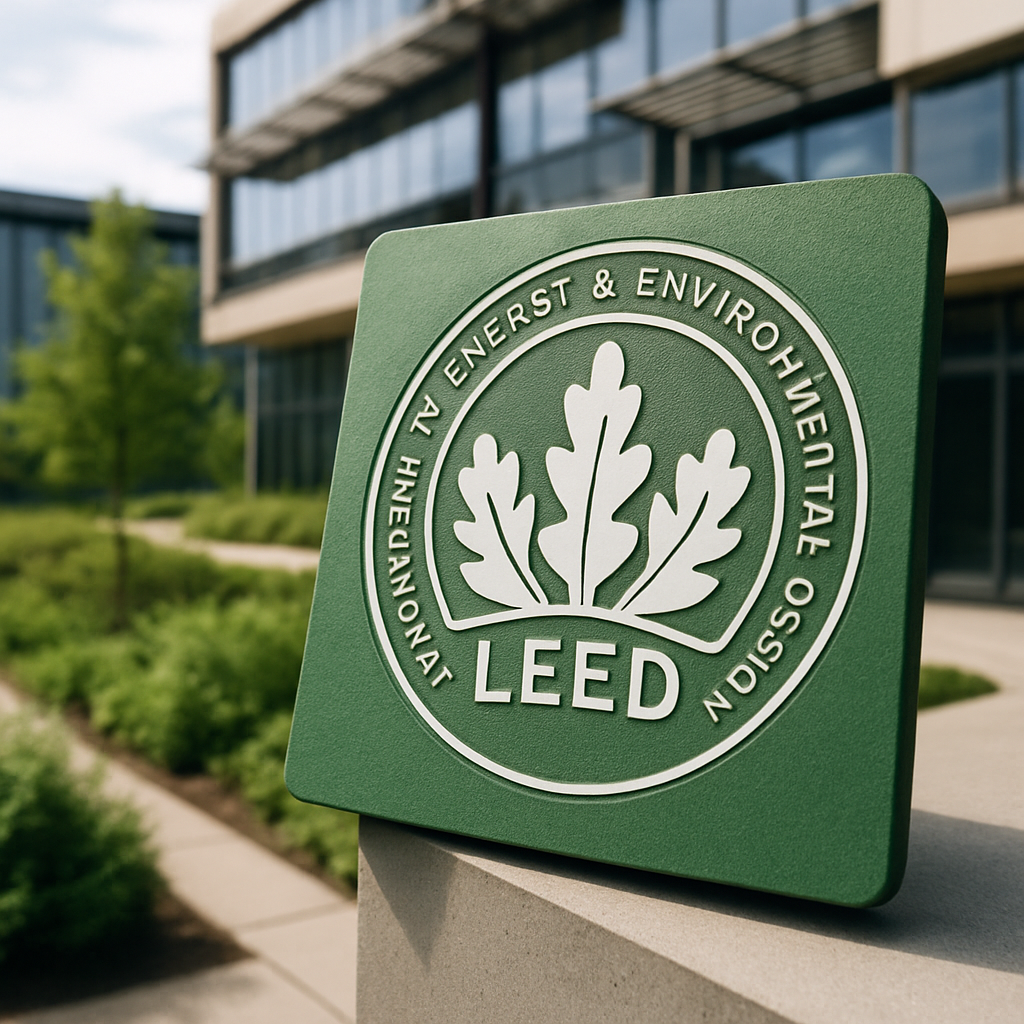
Anyone who’s been around the world of sustainable building for more than a few minutes knows that, sooner or later, you’ll end up talking about LEED. It’s practically the gold standard these days—a globally recognized certification that signals you’re serious about green building. Officially, LEED stands for Leadership in Energy and Environmental Design, but in practice, it’s both a guiding framework and, let’s be honest, a bit of a badge of honor. However, if you’ve ever tried to wade through the point systems, prerequisites, and technical jargon, you know it’s easy to get tangled up in the details—whether you’re coming at it fresh or you’ve got a few projects under your belt. So, what does it really take to cross that certification finish line? And more importantly, how do you make the process meaningful and cost-effective, not just a box-ticking exercise? Let’s get into the finer points, informed by years spent collaborating with architects, engineers, builders, and the unsung heroes—sustainability consultants—across all sorts of projects.
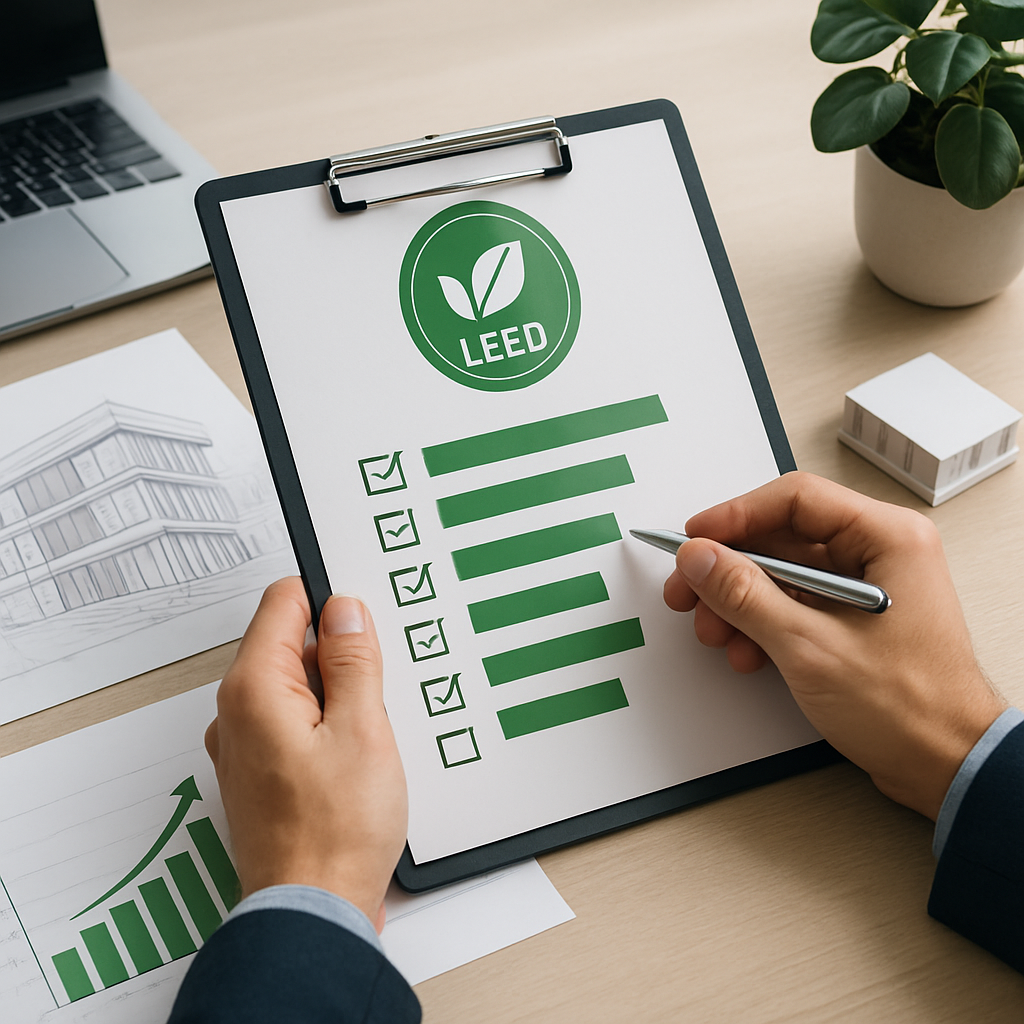
For starters, it helps to stop thinking of LEED as just an itemized list of tasks. At its core, it’s meant to be a philosophy—a challenge to rethink the way we design, build, and run our buildings. The rating system spans a surprising range, from where and how you site your project, to minimizing energy needs, to keeping water usage in check, and even prioritizing the health and comfort of the people inside. The trick we’ve learned? Treat LEED like a flexible toolkit, not a set of inflexible rules. Every project is different. A busy office building in the heart of the city might zero in on public transit and top-notch indoor air quality. Meanwhile, a plant out in the sticks could get more bang for the buck focusing on water reuse or harnessing on-site renewable energy. It’s all about customizing your approach to fit the project’s context—letting the unique needs drive the strategy, not the other way around.
Here’s a lesson that bears repeating: never underestimate the value of planning early. All too often, teams race ahead with design work only to realize, halfway through, that their LEED goals weren’t mapped out in advance. Cue the costly scramble and some inevitable headaches. The most successful projects we’ve been a part of always start with a visioning session. Everyone—owners, design pros, facility teams—gathers to hash out their sustainability goals and figure out which LEED credits actually align with both their values and the building’s intended use. It’s an extra step, but it’s rarely wasted. In fact, it often determines whether the project gets certified at all—and, even more importantly, whether the “green” features actually pay off over time.
Now, let’s talk paperwork. If you’ve heard horror stories about LEED documentation, well…you’re not alone. The process is thorough and, yes, sometimes feels like a slog. But here’s a mindset shift that’s helped us: think of documentation not as a bureaucratic hurdle, but as a real asset. Good records make certification smoother, sure, but they also leave you with a rock-solid audit trail for tracking building performance down the road. Adopting this attitude—where documentation equals transparency and accountability—can turn what feels like a burden into something that genuinely adds value throughout the life of the building.
Expert Strategies for Maximizing LEED Points
After shepherding dozens of projects through LEED certification, we’ve built up a pretty handy toolkit of strategies that go far beyond what you’ll find in the manuals. First, start with the easy wins. Especially on renovation or adaptive reuse projects, we look for ways to use what’s already there—reusing materials, beefing up the existing building envelope—before we even consider pricey tech upgrades. Sometimes, just swapping outdated insulation or retrofitting some lighting fixtures can make a massive difference in energy efficiency, and for a fraction of what a whole new system might cost.
We’re big fans of what we call a “layered” approach to energy. Too often, teams get dazzled by eye-catching features—solar panels, living roofs—without first nailing the basics. Instead, we think like building scientists: reduce energy loads through smart passive moves (think orientation, shading, thicker insulation) first. Then, bring in more efficient systems—HVAC, lighting, you name it. Only once those are squared away do we look at renewables and high-tech add-ons. This order of operations consistently delivers more LEED points and, more importantly, real savings that owners can actually feel in their bottom line, year after year.
One area that’s often missed? The people inside. LEED isn’t just about the building; it’s about those who use it day in and day out. Comfort, daylight, and air quality earn points, but they also create spaces where folks genuinely want to be. On a few recent projects, we’ve tried out real-time feedback systems—think digital kiosks or mobile apps—where tenants can report comfort issues or even compliment a sunny break room. Building managers can respond quickly, and it all feeds back into fine-tuning performance. The outcome? People are happier, they stick around, and the building becomes a living demonstration of what green design can achieve.
Let’s not forget about water. Energy hogs grab all the headlines, but water credits can be a surprisingly straightforward and affordable path to certification. We’ve had great success with strategies like rainwater harvesting, installing low-flow fixtures, and using smart irrigation controllers—especially in places where water’s pricey or scarce to begin with. Our advice: treat water efficiency as a core strategy, not an afterthought. Doing so helps rack up LEED points and builds in resilience against the sorts of challenges we’re seeing more of these days.
Overcoming Common LEED Challenges
No two LEED projects are identical, but they all seem to hit a few familiar roadblocks along the way—tight budgets, compressed timelines, or skepticism from team members who haven’t tackled sustainability requirements before. One myth we run into constantly is the idea that LEED is just too expensive or bogged down in bureaucracy. To be honest, the real issues usually stem from last-minute decisions or (this one stings) not getting everyone on the same page from the start. Our solution? Bring in LEED expertise right at kickoff. Make sure every player—owners, designers, contractors—understand their part and the payoff for each credit you’re targeting. It’s basic, but it changes the whole dynamic.
Another tricky bit is reconciling LEED’s requirements with local building codes or even the market’s expectations. What racks up points in one city might not fit the rules or the culture in another. To sidestep this, we always run a double-check: first, dig into local codes and incentives. Then, map out where those align with LEED credits (or don’t). Take green roofs, for example—some cities hand out hefty rebates for stormwater management, making those credits much more cost-effective. By identifying these overlaps early, we can steer clear of unpleasant budget surprises and squeeze more value out of every strategy.
And let’s be real: not every LEED credit is worth the chase for every project. Some, like advanced commissioning or complex monitoring systems, just aren’t practical for smaller jobs. We’re up front with clients about weighing the pros and cons. Sometimes, it’s smarter to pass on a difficult credit and focus on easier wins elsewhere. There’s no shame in prioritizing—if anything, it’s what separates a savvy, successful LEED project from one that runs out of steam chasing every possible point.
Integrating LEED with Broader Sustainability Goals
One trend that’s got us genuinely excited is the way LEED now fits into bigger, company-wide sustainability plans—especially as ESG (Environmental, Social, Governance) factors move to the front of the line. These days, it’s not just about getting a shiny plaque for the lobby. Investors and tenants want proof that sustainability isn’t just talk. LEED-certified buildings are increasingly serving as anchors for organizations’ broader strategies, whether that’s tracking carbon emissions, launching employee wellness programs, or setting public sustainability targets. LEED gives everyone a common language, making it so much easier to get buy-in from all corners and to benchmark progress.
We’re also seeing LEED work hand-in-hand with other frameworks. Take WELL, which zooms in on health and well-being, or ENERGY STAR, which zeroes in on operational efficiency. Our advice? Don’t treat LEED as the last word, but as the sturdy launching pad it was meant to be. For instance, a project aiming for LEED Gold might sprinkle in WELL features—picture biophilic design elements or lighting that supports natural sleep rhythms. Not only does this multiply your impact, but it also creates spaces that people love coming to, day after day. Adopting this holistic approach means your building isn’t just efficient—it’s genuinely inspiring.
In our view, the most game-changing LEED projects treat certification as a starting line, not the end. The organizations that really shine are the ones who invest in measuring and verifying how their building performs after the ribbon cutting. Tracking energy, water, and comfort over time unlocks opportunities for tweaks, improvements, and innovation—year after year. This kind of continuous learning, rooted in LEED’s discipline, is what distinguishes sustainability leaders from everyone else.
LEED’s Future: Innovation, Equity, and Practical Advice
Peering down the road, we’re convinced LEED’s future hinges on its ability to keep evolving with the world. The latest versions of the standard are putting more emphasis than ever on resilience, social equity, and thinking across the building’s full lifecycle. For example, recent updates have rolled out credits for climate risk assessments, supply chain transparency, and even social equity among project teams. We’re thrilled about this shift. It recognizes that meaningful sustainability isn’t just about reducing kilowatts or water bills—it’s about supporting people and communities, too.
If you’re at the starting line with LEED, here’s our best advice: figure out your “why” before you dive into the “how.” Ask yourself what sustainability means for your organization, set ambitious (but realistic) goals, and gather a team that’s just as passionate. Don’t shy away from the tough questions—about cost, value, or long-term impact. Remember, LEED is a tool for achieving your larger vision, not the finish line in itself. When used thoughtfully, it inspires creativity, brings teams together, and leads to buildings that aren’t just sustainable, but lasting and meaningful.
At the end of the day, chasing LEED certification is a journey—a winding one, sometimes, but always worth it. The process forces you to plan deeply, adapt along the way, and stay open to new lessons. The rewards are real and tangible: lower operating expenses, healthier indoor environments, a clear edge in a crowded market, and the pride of making a genuine difference. As advocates for sustainable design, we’ve seen firsthand how the right strategies can transform LEED from a set of requirements into a catalyst for better buildings and better communities. The plaque is just the beginning—the real legacy is the positive impact you leave behind.