


Understanding Green Building: Beyond the Buzzwords
Let’s be honest—just a few decades ago, “green building” was something you’d mainly hear about in niche circles, maybe among eco-conscious architects or sustainability geeks. Fast forward to today, and it’s clear the idea has broken out of its shell. Green building is now woven into the fabric of modern construction and city planning. But what does it actually mean? At its heart, green building is about thoughtfully designing, constructing, and operating spaces with the environment—plus the people inside and around them—in mind. It’s a whole-life-cycle thing: every stage, from the first sketch on a napkin to eventual demolition or adaptive reuse, plays a part in making buildings more responsible and resource-conscious. And with climate change front and center, this movement is being propelled by the urgent need to slash carbon emissions, conserve dwindling resources, and nurture healthier environments for everyone. Yet, as “green” language gets tossed around by marketers, it sometimes loses all meaning. To see what really separates the best green buildings from the rest, we have to push past the buzzwords. That means digging into the real tools, strategies, and tangible results behind the most effective examples.
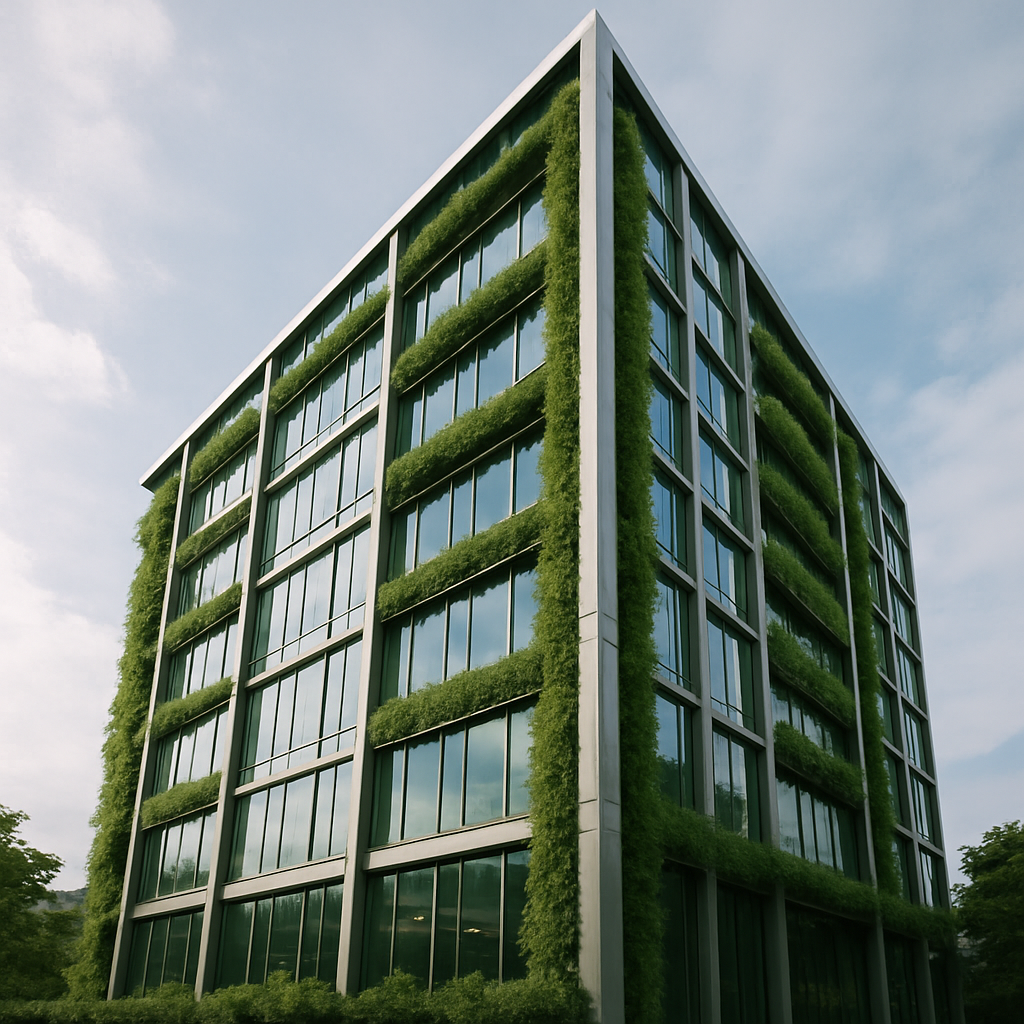
If you’re new to the concept, it’s easy to think green building is all about slapping solar panels on a roof or swapping out old appliances for Energy Star models. Sure, those things have their place, but the philosophy goes much deeper. It’s really about weaving sustainability into every choice—right from the moment you pick the site, through sourcing materials, planning out water use, and even considering how you’ll maintain everything for decades to come. The buildings that truly stand out do so not simply because of their clever designs or high-end tech, but because they consistently deliver measurable, lasting benefits. These ripple out to everyone involved: the folks who live and work there, the owners, and the wider community too. This guide aims to bridge that gap between theory and hands-on practice, bringing in real-world stories and examples to shed light on which approaches truly work—and, importantly, why they matter.
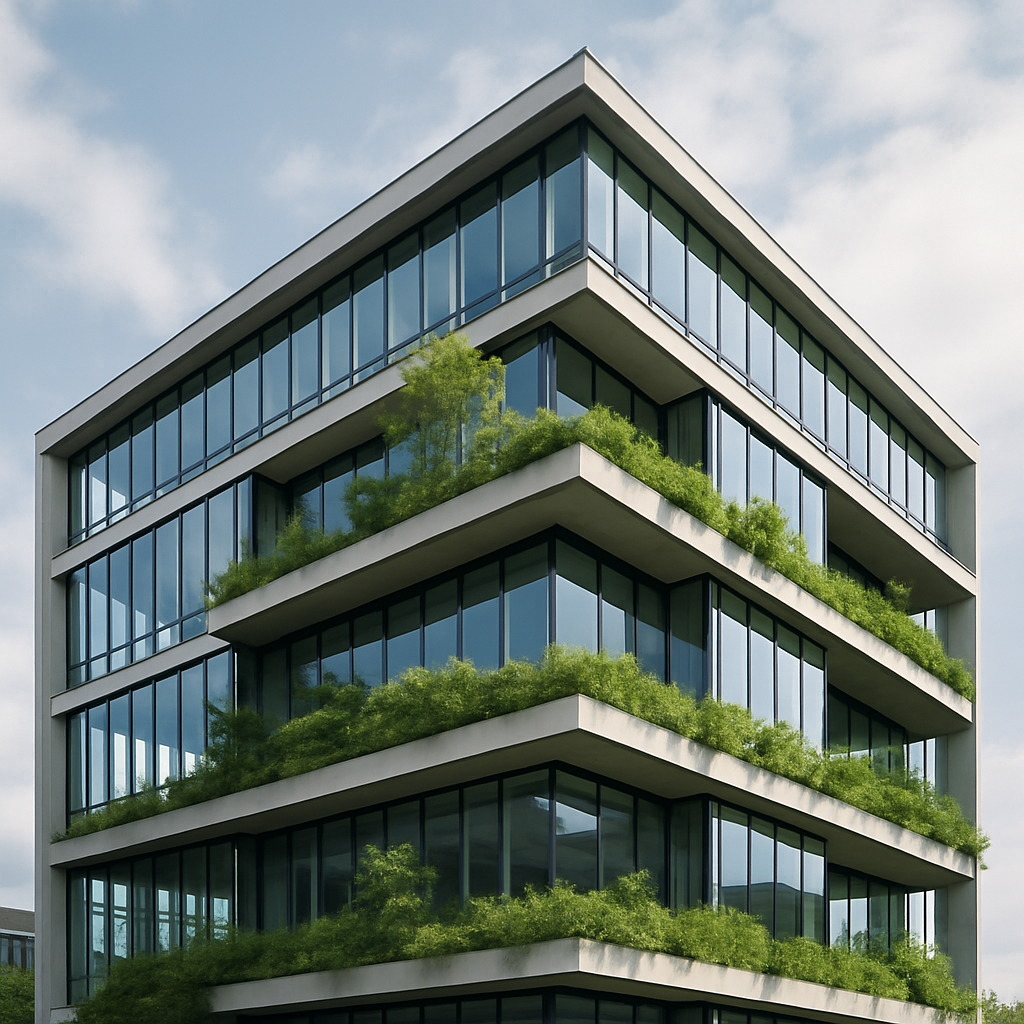
One core tenet of green building is thinking holistically about a building’s entire life cycle. It’s not just about how your building runs once everyone’s moved in. You also need to look at how materials are sourced, how far they travel to the site, the waste and emissions created during construction, and what happens when the building’s life is over—will it end up in a landfill, or can parts be reused? For instance, choosing reclaimed wood or recycled steel means you’re tapping into existing materials, cutting down the need for brand-new resources and saving a lot of energy in the process. That directly lowers a building’s embodied carbon—an environmental win right from the start. And thanks to modern life cycle assessment (LCA) tools, architects and engineers can now crunch the numbers early and make smarter, greener choices before the first shovel even hits the ground.
But green building isn’t just about the walls and windows—it’s also about the life that unfolds around and inside them. The best green projects don’t just save energy or water; they spark positive change in communities. Think rooftop vegetable gardens that bring neighbors together, or redesigned schoolyards that double as outdoor classrooms. In cities like Vancouver or Copenhagen, green building is part and parcel of ambitious public policies: cleaner air, healthier citizens, and fairer access to inviting, nature-rich spaces. When private developers and public interests line up like this, green building goes from a box-ticking exercise to a catalyst for real transformation. That’s the difference between meaningful progress and projects that are green in name only.
What Makes a Green Building Truly Successful?
So, what separates a genuinely successful green building from one that just looks good on paper? It’s not simply about collecting certifications or adding “eco-friendly” features to a checklist. Don’t get me wrong—standards like LEED, BREEAM, and WELL provide important structure and benchmarks. But at the end of the day, the real test is whether a building lives up to its environmental, economic, and social ambitions—year after year, not just at ribbon-cutting time. The green buildings that set the bar high tend to have a few things in common: they run efficiently, minimize environmental damage, boost the comfort and health of those inside, and usually offer a return on investment that makes the upfront effort worthwhile.
Take Seattle’s Bullitt Center, often hailed as the greenest office building on the planet. What puts it in a league of its own isn’t just the impressive solar panels or rainwater harvesting system—it’s the level of detail in how the building is run and the commitment to total transparency. The people who work there regularly report that they feel better thanks to generous natural light and clean, fresh air. Even cooler, the building’s solar panels crank out more power than it even needs. This is a building that walks the talk: robust tracking, active occupant involvement, and a willingness to share results, warts and all. Compare that to your standard office block, and the benefits—lower bills, happier tenants, and real resilience—are hard to dismiss.
Or look at the Edge in Amsterdam, a sleek office tower famous for its cutting-edge tech and sustainability chops. Here, smart systems monitor and adjust lighting, heating, and cooling with laser-sharp accuracy, making sure no watt is wasted. The end result? A staggering 70% less energy use compared to other office buildings. Employees enjoy the perks of personal climate controls and well-thought-out amenities, while the building’s flexible layouts mean it can adapt to almost anything the future throws at it. The lesson here is clear: pulling off true green building success isn’t about a single gadget or design trick—it’s about bringing together technology, thoughtful design, and the human experience in a seamless package.
And these are hardly lone examples. Consider BedZED (Beddington Zero Energy Development) in London, a vibrant eco-community that’s equally at home with energy-efficient homes as it is with shared green spaces and walkable streets. Folks living there enjoy lower utility bills, cleaner indoor air, and a close-knit sense of community, all thanks to communal amenities and well-used public areas. The design is practical and ingenious: thick insulation, triple-glazed windows, and smart orientation for maximum passive solar gain mean BedZED’s homes need a whopping 88% less heat than the UK average. Something else stands out here—the project’s team didn’t just build and walk away. They used post-occupancy surveys to learn how residents’ daily habits, like drying laundry outdoors or relying on natural breezes, boosted the community’s sustainability goals.
It’s also worth mentioning how critical measurement and transparency are for real, lasting results. Many top-performing green buildings now rely on advanced building management systems that keep tabs on energy and water use 24/7. This lets facilities teams spot trouble fast and keep everything humming along. Take Pittsburgh’s PNC Tower: its double-skin façade and automated blinds help make the most of natural daylight while limiting cooling needs. Real-time sensor feedback keeps staff in the loop and ensures the building isn’t just meeting old goals, but is constantly getting better—no matter how weather, occupancy, or technology changes. In short, the best green buildings aren’t static—they’re living, breathing systems, always adapting and striving to do better.
Key Strategies Behind Lasting Green Building Performance
Every project is different, with its own unique site, budget, and community context. Even so, some strategies have stood the test of time and show up again and again in the most impressive green buildings. The first is all about getting the basics right: passive design. That means making smart use of natural light, fresh air, and robust insulation so you cut down on the need for expensive systems in the first place. Features like thoughtful building orientation, high-performance windows, and smart use of thermal mass can slash heating and cooling demands. If you’ve ever seen a Passive House-certified home—popular in places like Germany and now spreading across North America—you’ll know how effective these approaches can be.
Material choice is a biggie, too. Leading green buildings often focus on using local, recycled, or rapidly renewable materials—stuff that doesn’t take a toll on the environment to produce and transport. Singapore’s Khoo Teck Puat Hospital, for instance, makes creative use of native plants and water-saving landscape systems. The result? A hospital that feels more like a lush city park and actually helps local wildlife thrive. On the tech side, the smartest buildings now include features like advanced metering, responsive controls for lights and temperature, and predictive maintenance. These allow the building to learn, adapt, and keep running at peak efficiency, year after year.
But here’s the thing: building green isn’t a solo act. The projects that really deliver on their promises involve everyone—owners, architects, contractors, and even future occupants—right from the early stages. When everyone is on the same page about what sustainability means, it’s far easier to spot creative opportunities, iron out disagreements, and ensure that the way a building is actually used aligns with its design intent. The most successful green projects keep the dialogue going after move-in, using post-occupancy evaluations and real feedback to drive continuous improvement. Sustainability isn’t just a checklist; it’s an ongoing process.
Don’t forget about water, either—especially in places facing drought, flooding, or other water challenges. Strategies like rainwater capture, greywater recycling, and permeable paving help buildings use less city water and send less runoff down the drain. Pittsburgh’s Center for Sustainable Landscapes is a fantastic example: all its stormwater is handled right on site, using a blend of green roofs, bioswales, and wetlands. This doesn’t just save water—it also creates mini-habitats for birds and pollinators, and makes the local climate a bit friendlier for everyone.
Inside the building, indoor environmental quality (IEQ) is just as important as energy or water. Features like operable windows, non-toxic paints and adhesives, plenty of daylight, and smart acoustic design make a huge difference to the people who spend hours inside. The WELL Building Standard, for one, puts a strong focus on air, light, and sound. Meeting these criteria can mean specifying paints with low VOCs, designing quiet workspaces, or making sure windows can actually open. The payoff? Lower sick days, happier and more productive employees, and—when it comes to schools—even better test scores.
Last but not least, the future belongs to buildings that can adapt and bounce back—especially as wild weather becomes more common. Buildings designed for resilience might be raised up to avoid flooding, have backup solar and battery systems to ride out power cuts, or use flexible spaces that adapt as needs change. The Rocky Mountain Institute’s Innovation Center in Colorado is a poster child for this: built to operate fully off-grid, it boasts thick insulation and on-site solar so the lights stay on even when the grid is down. Future-ready strategies like these help set truly green buildings apart from those that are just scraping by on minimum requirements.
Challenges, Trade-Offs, and the Path to Mainstream Adoption
Of course, it’s not all smooth sailing—there are plenty of bumps on the road to building green. Cost is the first concern that pops up for many developers, especially those wary of higher upfront expenses. Here’s the reality: adding top-tier sustainability features can raise construction costs by anywhere from 2% to 10%. But, as more projects show, those costs are often paid back—and then some—through reduced operating expenses, higher property values, and a lower risk of becoming obsolete. Plus, there’s a growing menu of incentives and grants, and new building codes are starting to close the cost gap between green and “business as usual.”
Another challenge? Complexity. Fitting together water recycling systems, solar panels, living green walls, and all the other pieces can be tricky. It demands know-how and careful coordination across disciplines. Mistakes happen when design ambitions and real-life use don’t match up. Picture a building with the fanciest mechanical systems in town—but if no one trains the occupants or maintains the equipment, those systems just gather dust. That’s why education, proper commissioning, and ongoing support are so critical—not just for big projects, but even for smaller ones trying out new ideas.
On top of that, there’s still a problem with “greenwashing”—bold claims about sustainability that don’t hold up to scrutiny. The best way to cut through the noise is transparency. The most respected green buildings openly share data on energy performance, air quality, and how the people inside really feel about the space. By setting a higher standard for openness, these projects earn trust from investors, tenants, and the general public. As more buildings prove they can deliver real, lasting results, skepticism is fading. The consensus is shifting: green building isn’t a passing fad; it’s increasingly seen as a smart, resilient bet for the future.
Another hurdle is the construction industry itself, which can be a real patchwork of different trades, consultants, and suppliers—each with their own priorities and, sometimes, limited familiarity with the latest sustainable tech. Overcoming this requires project leaders who know how to communicate and keep everyone focused on shared goals. Integrated project delivery (IPD) is an emerging solution, bringing all partners together from day one, aligning incentives, and encouraging creative problem-solving. A great example? The Spheres at Amazon’s Seattle HQ. This project brought together architects, engineers, plant specialists, and builders to create stunning indoor rainforests that support both biodiversity and a unique workplace experience.
Policy and regulation have a big impact, too. In some places, progressive building codes and incentives make it easier to go green; elsewhere, outdated standards or red tape can slow things down. Forward-thinking cities like New York and Toronto have introduced laws requiring building owners to track and publish their energy performance. The upside is a positive feedback loop: as data gets shared, it becomes easier to spot best practices, benchmark performance, and raise expectations for new projects. Meanwhile, ESG (Environmental, Social, and Governance) investing is making sustainability a non-negotiable factor in real estate. Investors are looking for green buildings, and the market is responding.
Finally, let’s not overlook the human side of things. Change can be intimidating. Some clients, lenders, or building occupants are naturally cautious about new systems or unfamiliar approaches. Education, clear communication, and hands-on demonstration projects all play a part in building trust. For example, schools like Dr. Martin Luther King Jr. School in Cambridge, Massachusetts, don’t just use green design—they weave sustainability into the curriculum. This helps kids, families, and staff see the value of green building up close, creating a ripple effect that can spread beyond the school walls. By tackling the human element as thoughtfully as the technical and financial ones, the path to mainstream adoption gets a whole lot clearer—and more achievable.
Looking Ahead: The Future of Green Building Success
So, where is green building headed? The definition of “success” is on the move. In the early days, it meant doing less harm; now, the aim is to have buildings that give back—regenerating ecosystems, boosting community resilience, and helping people thrive. New trends like tracking embodied carbon, designing for circularity (where nothing goes to waste), and taking inspiration from nature are all raising the bar.
Take the Powerhouse Brattørkaia in Norway. This building doesn’t just meet its own energy needs—it actually produces more energy than it uses over its entire lifespan, from construction through demolition. That’s the kind of next-level thinking we’re seeing in the latest green projects. Digital twins, smart controls powered by AI, and ultra-transparent reporting tools are all making it easier to track progress and ensure buildings perform as designed. The feedback loop between design, construction, and real-world results is finally closing.
But maybe the most exciting thing is how these trailblazing green buildings inspire others to follow suit. When teams share their lessons—what worked, what didn’t, and how they adjusted along the way—they make it easier for others to achieve even more. As regulations tighten and buyers demand more from their buildings, green building is rapidly becoming the new normal instead of the exception. If you’re interested in joining this movement, the best way to start is by learning from these success stories and asking: how can the next project raise the bar even higher?
The future of green building will be shaped by a mix of technology, policy advances, and community-driven action. Innovations like modular and prefabricated construction, as well as 3D printing, are allowing builders to work faster and with less waste. For example, modular schools in places like the UK and Australia have hit high marks for energy efficiency, all while reducing construction mess and disruption. Meanwhile, cities are offering clever incentives—like extra building height or density bonuses—to encourage developers to go above and beyond the basics, often through partnerships that blend public ambition with private know-how.
Social equity is quickly moving up the green building agenda, too. Affordable housing projects like Paseo Verde in Philadelphia show how sustainability can go hand-in-hand with inclusivity, blending energy-smart design with easy access to transit, health services, and vibrant community spaces. Newer standards like the Living Building Challenge and Fitwel are rewarding projects that prioritize accessibility, support urban farming, and celebrate local culture, making sure the benefits of green building touch as many lives as possible.
And as climate threats mount—from wildfires to hurricanes to heatwaves—resilience is becoming the yardstick by which future green buildings will be measured. More communities are turning to buildings that can stay safe and livable during crises, often through passive strategies like natural ventilation, thermal mass, and on-site backup power. Designers are even taking cues from the natural world: the Eastgate Centre in Harare, Zimbabwe, is a prime example, using a termite mound-inspired ventilation system to keep temperatures steady with almost no energy. These kinds of nature-based solutions point toward a fascinating, creative future for green building.
To sum it up, the next era of green building will be all about ambition, solid evidence, and teamwork. Whether it’s net-positive energy, zero-waste materials, or landscapes that give more than they take, the goal isn’t just to do less harm—it’s to be a force for good in the world. The best projects today don’t just offer inspiration; they provide a roadmap and a challenge for all of us: keep pushing boundaries, measure results honestly, and keep redefining what’s possible in the built environment.