



Rethinking Green Building: Why Going Beyond the Basics Matters
Green building has come a long way from the days when simply swapping out a few windows for energy-efficient ones or tacking on some solar panels was considered revolutionary. In our experience working in the sustainable construction world, we’ve learned that the most robust and future-proof buildings are those that embrace a truly holistic approach. Let’s be honest—the world is changing at breakneck speed. Escalating climate risks, supply chain hiccups, and relentless spikes in energy costs all point to one clear reality: green building can’t just be another item to tick off a project checklist; it has to become an adaptive, evolving discipline. Time and again, we’ve seen how forward-thinking strategies, especially when illustrated with real-life examples, can positively impact not only the environment but also the people living and working in these spaces. So, what separates the trailblazers from the pack? Let’s dig into what sets today’s most innovative green buildings apart—and how you can apply these lessons to your own projects.
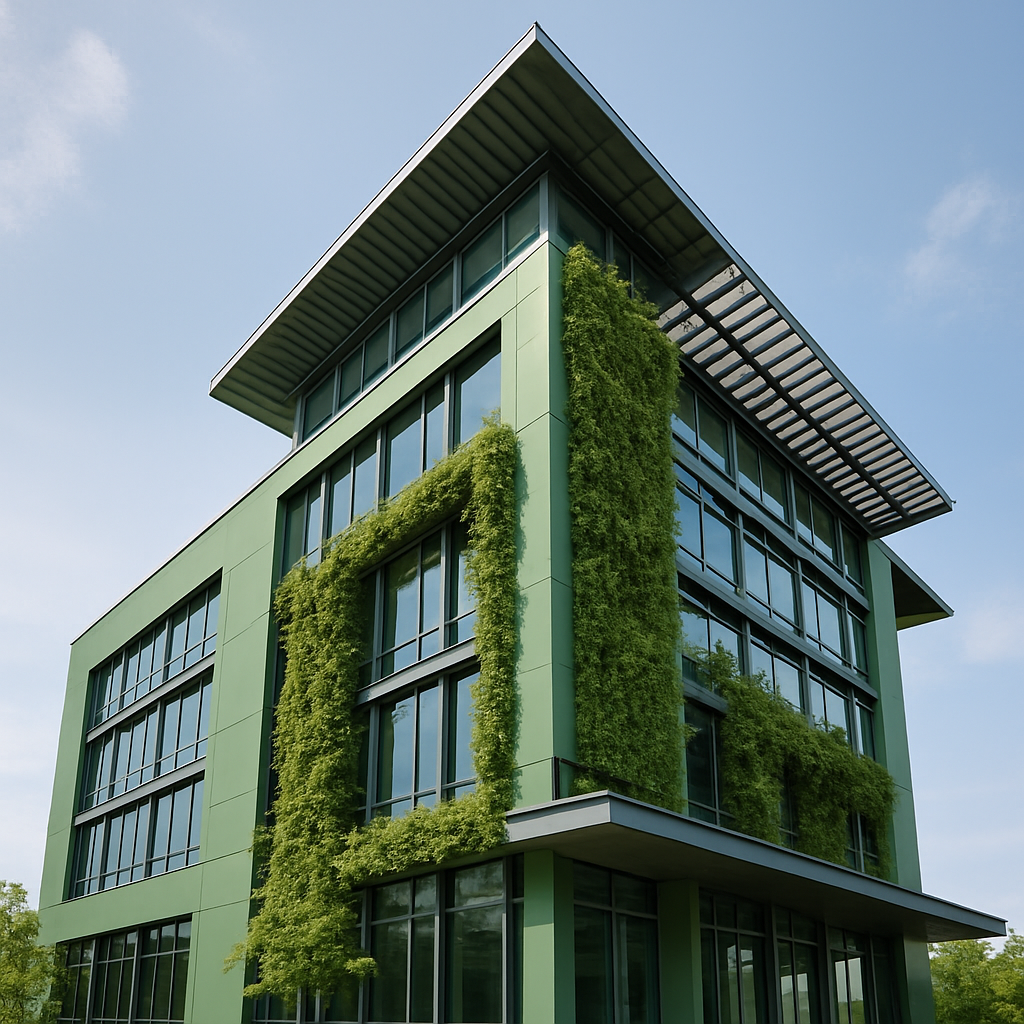
If you haven’t kept an eye on the green building movement lately, it’s easy to underestimate just how much things have shifted. Not so long ago, meeting basic building codes and adding a couple of “green” features was considered ambitious enough. Now, though, the best projects out there treat sustainability as an ongoing journey—a mindset that influences every single decision, from the land you build on to the way occupants interact with their environment day to day. Take buildings that go beyond the minimum requirements: they don’t just consider energy savings. Instead, they look at everything from embodied carbon to occupant health and wellness, and how the building fits into the fabric of its community. There’s a real sense of urgency now. More teams are recognizing that our buildings must be flexible, able to handle whatever tomorrow’s climate throws at us, and designed with circularity in mind—meaning, we need to think about what happens to all those materials at the end of their useful life. Can they be reused? Recycled? Repurposed?
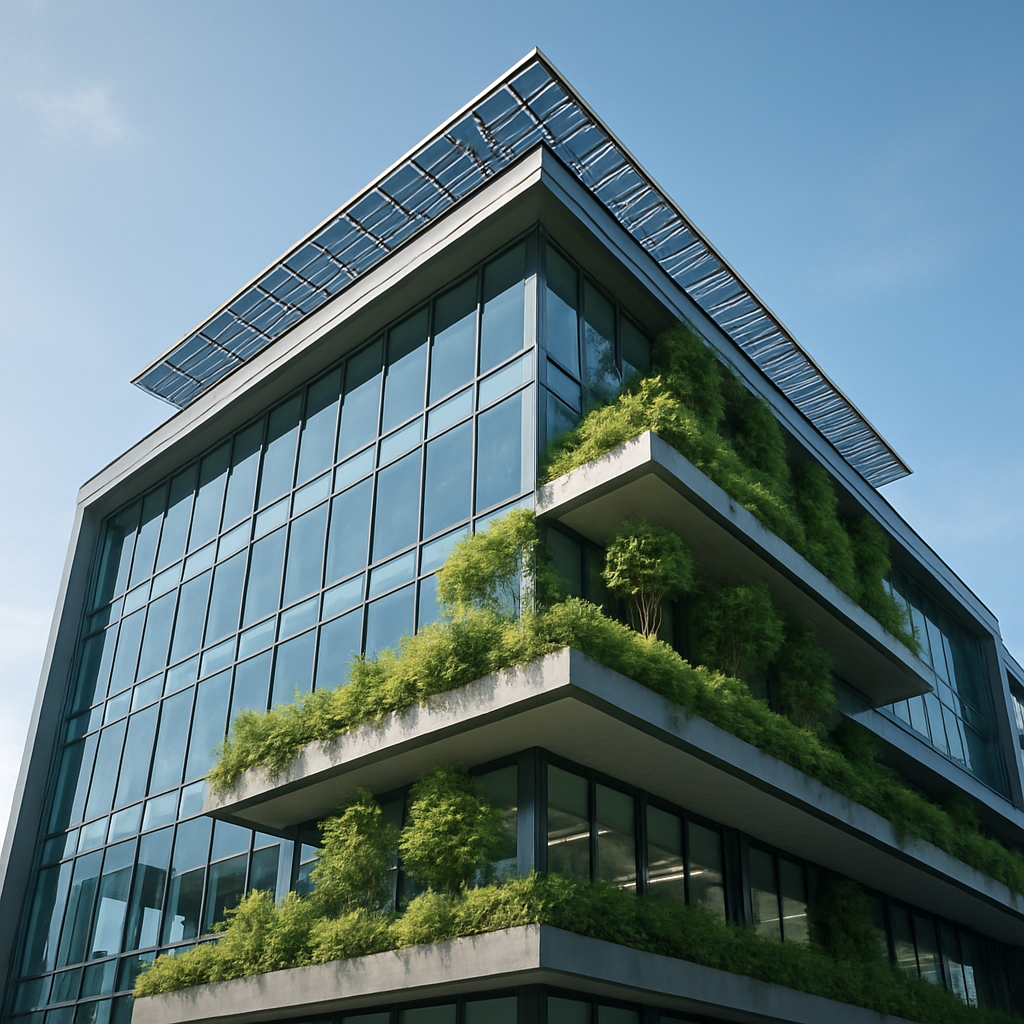
The pressure to raise the bar is only mounting. The latest IPCC reports are pretty clear: buildings are responsible for nearly 40% of global greenhouse gas emissions each year. That’s a staggering figure. Every project, no matter the size, holds the potential to make a real difference. We’re seeing a big shift—clients and communities alike are moving beyond the simple “Is this building green?” question. Instead, they want to know: “How is this project improving people’s lives, restoring local ecosystems, and building resilience for future generations?” This updated mindset is what truly distinguishes the leaders from the followers in the sustainable building world.
Advanced Materials and Construction: Beyond LEED Checklists
There’s a common misconception out there that green building is all about certifications like LEED or BREEAM. While those standards play an important role, the most cutting-edge projects are going way beyond what’s required on a checklist. We’ve noticed a strong movement towards using innovative, low-carbon materials—things like cross-laminated timber (CLT), hempcrete, and even concrete that actually locks away carbon instead of releasing it. Take the Brock Commons Tallwood House in Vancouver, for instance. This 18-story student residence is constructed largely with CLT, which not only sped up construction and cut embodied carbon, but also created a warm, inviting atmosphere for students. Of course, scaling up with CLT isn’t without its challenges—regional supply chains can be tricky, and some local building codes haven’t quite caught up. In our experience, these kinds of innovations really highlight the need for close collaboration between architects, engineers, and regulatory officials right from the start.
Another standout example: the LinkedIn Headquarters in Mountain View, California, which used CarbonCure technology. By injecting recycled carbon dioxide into concrete, the project drastically reduced its carbon emissions—by thousands of pounds, no less. It’s not always that simple, though. Materials like hempcrete, for example, are great for insulation and moisture control, but they often come with a higher up-front price tag. That’s why we always recommend taking a hard look at lifecycle costs, not just initial expenses. You have to weigh performance, durability, and how regulations might change over time to make the smartest long-term investment.
There are also some truly fascinating materials starting to attract attention—like mycelium-based insulation and recycled plastic composites. Mycelium, which is essentially the root network of fungi, is now being grown into lightweight, insulating panels that can be composted at the end of their life. The Hy-Fi pavilion in New York showed just how viable this approach can be, growing bricks on-site using agricultural waste. These mycelium components not only store carbon while they’re in place, but also break down harmlessly after use. And then there’s recycled plastic “lumber”—increasingly common for decks, cladding, and outdoor furniture. It’s durable, weather-resistant, and helps keep plastic out of landfills.
Another area shaking up the industry is prefabrication and modular construction. By assembling components off-site, builders can cut down on waste, maintain tighter quality control, and shrink construction timelines—all of which reduces the impact on local ecosystems. The Plant Prefab factory in California is a perfect example. They build high-performance homes using highly precise, computer-guided tools. This approach allows them to integrate advanced insulation, airtight design, and renewable energy systems from day one. The result? Homes that can meet or exceed Passive House standards. Of course, the flip side is that investing in new tech and training can be expensive up front, and local codes sometimes struggle to keep pace with these innovations. All the more reason to get everyone—regulators, suppliers, designers—on the same page as early as possible.
Material innovation isn’t just about new construction, either. Adaptive reuse—repurposing existing, often historic, buildings for modern needs—is gaining momentum too. Instead of tearing down and starting from scratch, adaptive reuse preserves the embodied carbon in the existing structure and celebrates the story of a place. The Empire Stores project in Brooklyn is a great case in point. Here, old 19th-century warehouses were transformed into vibrant office and retail spaces by carefully blending original brickwork with modern, energy-efficient glazing and green roofs. These projects require plenty of creativity and technical know-how, but the payoff is a more sustainable and culturally rich urban landscape.
Smart Integration: Data-Driven Operations and Responsive Design
If there’s one thing we’ve learned from the most advanced green buildings, it’s that brainpower can be just as valuable as insulation. Buildings that can adjust themselves in real-time—responding to the outside environment and to the people inside—are leaving static designs in the dust. Just look at the Edge building in Amsterdam, often dubbed one of the world’s greenest offices. This building is packed with over 28,000 sensors that keep tabs on everything: occupancy, lighting, temperature, humidity—you name it. Thanks to all this data, the building can predict when to heat or cool, customize lighting for each person, and more. The end result? Energy use slashed by around 70% compared to typical office buildings, plus a workspace that adapts to its users.
That said, smart building systems aren’t always as “plug and play” as some might hope. We’ve seen firsthand that getting these technologies to work well together takes a lot of careful planning, solid cybersecurity measures, and ongoing training for staff. Overcomplicated automation can sometimes backfire, overwhelming facility teams or annoying building users. Our go-to approach is to focus on making sure different systems—lighting, HVAC, shading—can actually communicate with each other, so upgrades are easier to manage down the line. And it’s not just about saving energy anymore: smarter water management and predictive maintenance are quickly becoming part of the package in leading green buildings.
Take the Salesforce Tower in San Francisco, for example. This building’s advanced management system not only tracks energy use but also gives real-time updates to tenants through an app. People can tweak their own temperature and lighting preferences, while facility teams get heads-up alerts for maintenance before things break. That means less downtime and longer-lasting systems. Smart metering for water and electricity helps spot leaks or inefficiencies instantly, so teams can fix issues before they become big problems and keep resources from going to waste.
In homes, smart integration looks a bit different but is just as impactful. Automated shades might adjust themselves to maximize daylight while cutting down on glare, or smart thermostats can “learn” a family’s routines to keep their space comfortable and efficient. The Bosco Verticale in Milan is a great example—it combines sensor-controlled irrigation with lush green facades, so the building’s hundreds of trees and plants get just the right amount of water. Not only do these features keep operating costs down, but they also make a massive difference to how people feel inside. There’s plenty of research now showing that access to natural light and greenery can boost productivity, improve mental health, and lead to happier occupants overall.
Of course, there’s always a flip side. As buildings get “smarter,” cybersecurity becomes a big concern—especially as so many systems are now interconnected. It’s crucial to keep facilities staff trained up and to communicate openly with users, so the technology remains helpful rather than a headache. We recommend setting up regular system audits, building in feedback loops with users, and rolling out updates over time to keep everything secure, efficient, and user-friendly.
Regenerative Design: Healing Ecosystems, Not Just Minimizing Harm
For us, the highest aim of green building isn’t just about doing “less bad”—it’s about actually repairing and restoring the environment. The Living Building Challenge (LBC) has really helped push this philosophy into the spotlight. Take the Bullitt Center in Seattle, which many call the world’s greenest commercial building. This place goes above and beyond, generating more energy than it uses, collecting and treating all of its own water, and relying on locally sourced, non-toxic materials. What’s really cool is how this approach has created a sense of shared responsibility among its tenants and the wider community—they’re part of something bigger than just a building.
We’ve found that putting regenerative principles into practice means reimagining the entire project site as an interconnected ecosystem. For instance, instead of simply managing stormwater runoff, the Phipps Center for Sustainable Landscapes in Pittsburgh built wetlands that naturally purify water, support local wildlife, and even serve as outdoor classrooms for the community. Understandably, these strategies can be a tough sell in dense urban areas or places with strict codes, but even small steps—like adding green roofs that double as pollinator habitats or creating vertical gardens—can have a meaningful impact for both people and the planet.
At its heart, regenerative design is about closing loops and building connections between people, buildings, and nature. The Kendeda Building for Innovative Sustainable Design at Georgia Tech is a great showcase. With a rooftop apiary, rainwater harvesting, and composting toilets, it serves as a living laboratory for students and researchers. The building even aims for net-positive waste, meaning it sends less to landfills than it reuses or recycles. We’ve seen how projects like this can spark learning, encourage new behaviors, and actually help restore local environments.
Another side of regeneration involves bringing nature back into urban environments. Look at the High Line in New York City, which transformed an old rail line into a lush green corridor. Now, native plants thrive, birds and insects find crucial habitat, and city residents enjoy a beautiful place to relax and recharge. These spaces do more than support biodiversity—they also help people feel healthier and happier. In desert cities such as Phoenix, regenerative design often means restoring native landscapes that conserve water and provide shade, cooling down city streets and countering the urban heat island effect. It’s all about adapting strategies to local needs and conditions.
Yes, regenerative projects can have higher up-front costs and sometimes cause friction with traditional business models or construction timelines. But, in our experience, the returns over time are hard to argue with—less resource consumption, better occupant health, and higher property values, to name just a few. We often suggest starting with pilot projects or phasing new ideas in gradually, so you can build a solid case for regeneration through real results and active community involvement.
Community Impact and Long-Term Value: Lessons from Global Leaders
In the end, we believe a building’s real success is defined by the well-being of its community and its ability to stand the test of time. One of our favorite examples is the BedZED development in London—the UK’s largest sustainable community. It combines ultra-insulated homes, on-site renewables, and shared green spaces. Residents benefit from lower utility bills, healthier air, and a powerful sense of connection with their neighbors. That said, it wasn’t all smooth sailing; early hiccups, like a biomass system that didn’t perform as planned, taught the team some valuable lessons about making sure operations and maintenance are built into the design from day one—not just tacked on at the end.
Another standout is Gardens by the Bay in Singapore. This project turned heads around the world, not just for its stunning cooled conservatories and towering vertical gardens, but also for the advanced water recycling and energy management systems hidden beneath the surface. This kind of investment has paid off in spades—drawing tourists, educating locals, and building climate resilience into the city’s core. It’s proof that green buildings, when scaled up thoughtfully, can deliver social and economic benefits alongside environmental ones. Whenever we advise clients, we find that the most successful projects are the ones that marry sustainability goals with local culture and long-term urban planning, creating ripple effects that touch far more than just the building itself.
Something we’re passionate about is community engagement. Take the Greenpoint Landing development in Brooklyn. By inviting the public into the planning process—from residents to local businesses and city leaders—the team heard what the community really valued. The result? Waterfront parks, affordable housing, and flood-ready infrastructure that reflect the neighborhood’s character and needs. This approach not only won public support but also ensured that the project delivers lasting benefits and remains an asset for years to come.
Resilience is fast becoming a top priority, especially as climate threats become more severe. After Hurricane Katrina, the Make It Right initiative constructed more than 100 LEED Platinum homes in New Orleans’ Lower Ninth Ward. These homes were thoughtfully designed with elevated foundations, hurricane-proof windows, and native landscaping, so residents are better prepared for future storms. The payoff? Families experience less damage and disruption, and the whole community can breathe a little easier knowing their homes are more secure. These kinds of investments pay off not just in avoided repairs, but in peace of mind and stability as well.
Social equity is another pillar of long-term impact that often gets overlooked. The Redfern Community Centre in Sydney is a fantastic example. Designed with deep input from local Indigenous communities, the center features culturally significant elements, accessible green spaces, and programs that help people develop new skills and build connections. By making sure green buildings are welcoming and accessible to everyone, we can start to correct historic inequalities in health and opportunity—turning sustainability into a force for social progress as well as environmental care.
These days, green building is about so much more than ticking boxes for compliance. It’s about setting a bold vision that weaves together advanced materials, smart technologies, regenerative principles, and true community value. The projects we’ve highlighted here prove that it’s not only possible to push the envelope—it’s absolutely necessary if we want our built environment to meet the challenges of our era. We’re genuinely excited by the energy in this movement and feel confident that, in the next decade, green building will move from being the exception to becoming the new normal.