










Moving Past the Basics: Rethinking Energy Saving in a Tech-Driven World
When most people think about saving energy at home, the conversation usually centers around the classics—switching to LED bulbs or remembering to unplug the phone charger. Sure, those steps matter, but let’s be honest: our homes (and our lives) have gotten a lot more complicated than that. As a team that’s neck-deep in the world of sustainable living, we’ve seen just how much genuine energy efficiency depends on understanding the intricate web of systems, behaviors, and technology that make up daily life now. So, let’s go past the basics and get into the real, actionable strategies that fit the reality of our increasingly digital, tech-filled homes—where smart devices, shifting work habits, and changing infrastructure all play a role.
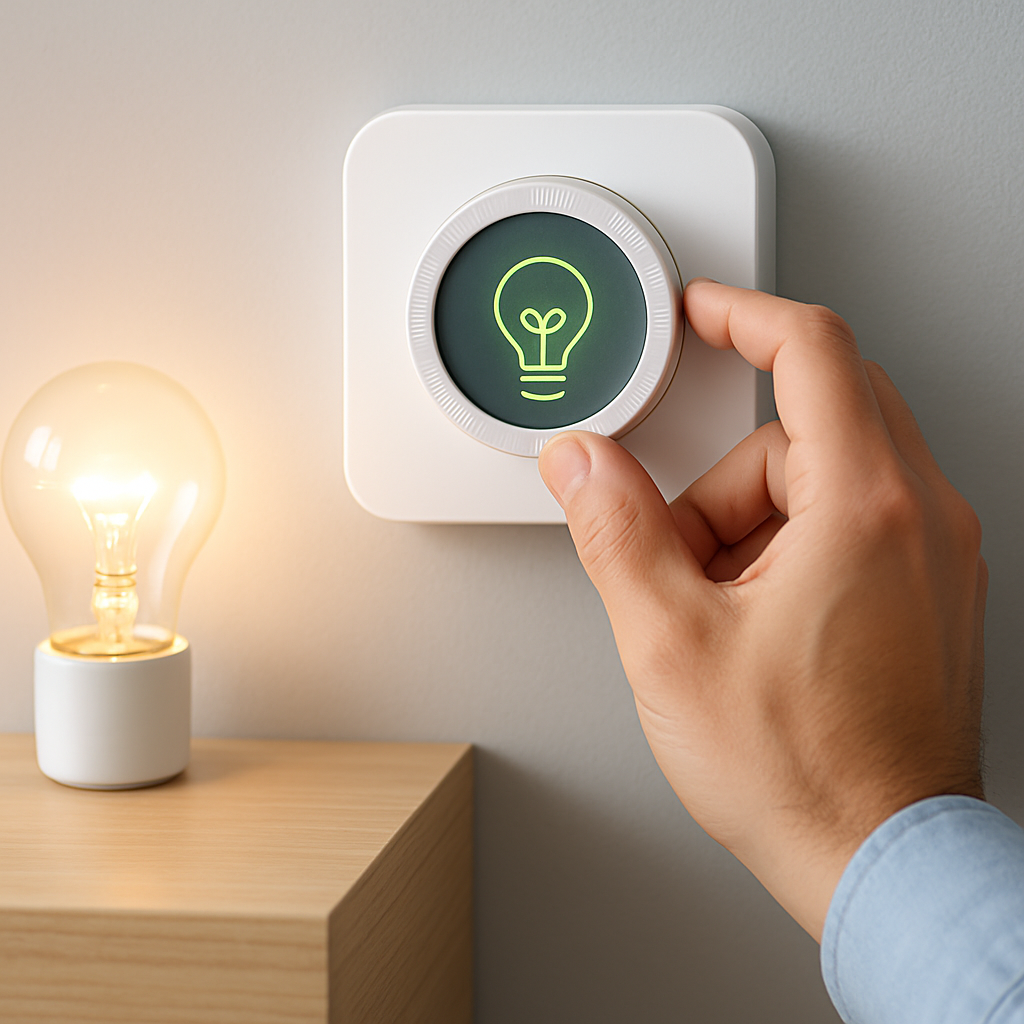
Take a look around: the way we use energy at home has changed drastically over the last decade or so. The average household today is packed with connected devices—think smart speakers, streaming sticks, security cameras, tablets, you name it. Many of these sit quietly, sipping power around the clock, even when we’re not using them. Add to that the rise in remote work, our collective demand for precise climate control, and a steady stream of new appliances, and it’s no wonder that “normal” energy use keeps ticking upward. Focusing on turning off lights or unplugging the occasional charger is like plugging a tiny leak while the faucet’s still running. If we’re serious about saving energy, we need to treat it as an ongoing, whole-home process—one that adapts to the way we actually live, and that uses a combination of smart tech and a little human know-how.
The backbone of our homes is changing too. Picture this: electric cars in the garage, home gyms loaded with equipment, maybe even solar panels on the roof feeding renewable power straight into the mix. All of these introduce new dynamics into how energy flows through our spaces, and they’re often tangled together in ways traditional advice just doesn’t cover. For instance, charging your EV during peak hours could wipe out any savings you made by switching to LED bulbs, and if your solar panels aren’t playing nicely with your smart home devices, you could be missing out on some serious benefits. The real challenge is to start thinking of our homes as integrated systems—where the goal isn’t just efficiency for one device, but a kind of harmony (and resilience) that stretches across everything we use and every habit we form.
Smart Tech, Smarter Habits: Harnessing Automation Without Waste
Smart home gadgets are everywhere these days—Wi-Fi thermostats, lights you can talk to, plugs that track your toaster. But let’s be clear: just buying smart stuff doesn’t guarantee your energy bill will go down. In fact, if you’re not careful, you might end up using even more. Over the years, we’ve learned that the real trick is setting up those devices with routines and automations that actively cut waste, not just add convenience. Take geofencing, for example: if you program your thermostat to use your phone’s location, it will only run the HVAC when someone’s actually home. Instead of sticking to a rigid schedule, the system adapts to your daily comings and goings—no more heating or cooling an empty house for hours on end.
Here’s another trick that’s often overlooked: slap a smart plug on those power-hungry appliances. We did this with our own entertainment center, setting it to shut off everything—TV, soundbar, game consoles—after midnight or whenever the house is empty. It’s kind of wild how much power all those gadgets pull, even when they’re supposedly “off.” That pesky standby load (sometimes called “vampire load”) can quietly suck away up to 10% of your electricity behind the scenes. With a bit of automation, you get the same convenience with none of the waste.
And it’s not just about the gadgets themselves. Take a look at your notification settings: plenty of smart devices can now ping you if, say, a window is open while the AC is running, or if you’ve left the garage door up past bedtime. These little real-time nudges are surprisingly effective—they pull energy saving off the to-do list and weave it into your daily digital life.
Let’s put this into a real-world scenario. Imagine a busy household with people coming and going at all hours. A well-tuned smart setup can fade the lights as rooms empty, adjust shades to capture just the right amount of daylight, and even lower the water heater’s temperature if the house is empty for a while. One of the best moves is pairing occupancy sensors with your smart thermostat—when nobody’s around, the system flips into energy-saving mode on its own. This is especially handy in homes with kids (we’ve all experienced the light left blazing in an empty room).
Appliance scheduling is another area where smart tech really shines. Most newer dishwashers and washing machines are Wi-Fi ready, and you can set them to run during off-peak hours—when power is cheaper and the grid is less stressed. If you have solar panels, you can sync these chores with the height of your solar production. One of our clients reprogrammed their dishwasher and laundry to run between 11am and 2pm, right when their panels were cranking out the most energy. This simple switch didn’t just shave dollars off their bill—it also boosted the return on their investment in solar.
Of course, smart automation isn’t something you set once and forget forever. As your family’s routines shift, seasons change, or your devices update, yesterday’s perfect routine might not work so well today. That’s why we recommend blocking out a few minutes every few months to audit your smart home routines, check for firmware updates, and tweak your settings. A little regular maintenance keeps your setup responsive and ensures you’re actually seeing the benefits of all that shiny technology, instead of just collecting more gadgets for the sake of it.
Deep Dives: Pinpointing Hidden Energy Drains in a Modern Home
Every home hides a few sneaky power drains that slip right past the usual advice. Here’s a classic: someone upgrades their insulation, but the old HVAC system is still chugging along, totally unaware that the house is now better sealed. The result? The system keeps running as if nothing’s changed, wasting energy. This is where a full-on home energy audit—not just a quick Google checklist—really pays off. Auditors use cool tools like infrared cameras and blower door tests to find leaky ducts, insulation gaps, or even overzealous attic ventilation, then recommend targeted fixes that can actually make a difference on your bill.
Water heating can be a surprisingly big energy hog too. While tankless water heaters get lots of buzz, their real-world savings depend on how your family actually uses hot water. In our experience, installing a timer or smart controller on a regular old water heater often delivers great returns—especially if everyone showers or washes dishes at predictable times. And here’s a tip that’s almost always missed: wrapping your hot water pipes in insulation (even in newer homes) can cut those standby losses by a solid 3–5% over the year. Not huge in a single month, but it adds up.
The kitchen has its own set of surprises. Modern induction cooktops beat both gas and traditional electric models hands-down in both efficiency and safety. The catch? People often balk at the upfront price. We like to suggest timing the switch with a kitchen renovation so you can snag rebates and roll installation into bigger projects, reducing hassle and maximizing savings. It’s all about syncing upgrades with natural home improvement cycles to get the best value.
Let’s get specific for a minute. In a recent home energy audit, one client discovered an ancient attic fan running 24/7, even when the weather barely called for it. Not only was it wasting energy, it was sucking cooled air right out of the living space, forcing the HVAC to work double-time. Swapping in a modern thermostat-controlled fan and sealing attic leaks dropped their summer energy bills by nearly 15%. We’ve also encountered pool pumps running far longer than needed—one homeowner was spending over $500 a year just powering an old, inefficient pump. Upgrading to a variable-speed model and trimming run time paid for itself in no time.
Don’t forget about that second fridge out in the garage. We’ve measured older fridges and found they often cost more to run than a new, energy-efficient model in the kitchen—sometimes by a wide margin. By plugging these into a smart monitor, a few clients realized they could consolidate their food, unplug the old unit, and pocket a cool $100 or more each year. The same logic applies to wine coolers, barely-used chest freezers, or ancient dehumidifiers—these devices can be quiet (and costly) background drains.
Here’s another one: bathroom vent fans. Older models often run for hours because nobody bothers to turn them off, and they quietly suck out your conditioned air. Swapping to a humidity-sensing fan ensures it only operates when needed. It’s a small change, but when you add up a dozen little tweaks across a household, the savings get downright impressive.
For renters or folks living in apartments, the hidden drains are often built into the building itself—central hot water systems, hallway lighting that stays on 24/7, you name it. You might not be able to change everything, but advocating for LED retrofits or motion sensors in common areas can make a big difference. In your own space, using plug-in energy monitors to hunt down “always-on” devices, and unplugging or replacing them whenever possible, gives you more control over your slice of the energy pie—even in a shared space.
Adaptive Living: Customizing Energy Saving to Your Lifestyle
There’s no one-size-fits-all when it comes to saving energy. The pandemic flipped millions of routines upside down. Suddenly, our homes became offices, classrooms, and (sometimes) gyms, pushing midday energy use higher than ever. If you’re working from home, zoning your HVAC—using smart vents or mini-split systems—lets you heat or cool just the rooms you actually use. Even something as simple as adjusting temperatures room by room can cut energy use by 20% or more in larger homes. We’ve seen it work time and again.
If your schedule is all over the map (hello, freelancers and shift workers), regular timers quickly lose their usefulness. Here, occupancy and daylight sensors come into their own. With smart thermostats that learn your patterns, your home can respond to your actual life instead of forcing you to fit a strict schedule. We’ve watched households with unpredictable routines shrink their energy bills simply by letting their systems adapt, rather than trying to wrangle old-school timers into submission.
And let’s not forget about renters or those sharing space. You might not be able to tear out walls or swap out appliances, but that doesn’t mean you’re stuck. Portable induction burners, plug-in insulation kits for windows, and shared apps to track appliance use can all help. Open, honest conversations with roommates—like agreeing to do laundry on off-peak hours or coordinating batch-cooking nights—can make a real dent, even if your living situation is temporary.
Here’s a practical tip: try mapping out a “lifestyle energy chart.” Track which rooms are used, when, and for what. If your home office only sees action during the day, program your HVAC and lights to focus on that space, letting rarely-used rooms coast at energy-saving settings. We worked with a client who put smart shades to use, blocking hot afternoon sun in the office (less cooling needed, more comfort), while keeping the bedroom unconditioned until night. This way, comfort and savings go hand in hand—no need to sacrifice one for the other.
Families with kids know that routines are anything but routine. After-school activities, ever-changing bedtimes, and lively weekends mean the home’s energy needs are always shifting. This is where flexible automation helps, like “scenes” that adjust lighting, temperature, and power to fit the moment. Maybe a “movie night” scene dims the lights and powers up only the essentials, while an “away” scene shuts down all non-critical devices. The best part? These routines can be tweaked over time for even better efficiency and convenience.
Multi-generational households bring their own challenges, especially when it comes to comfort preferences. Setting up temperature zones with wireless sensors can help everyone find their happy place—grandparents stay cozy in a warmer bedroom, while younger folks keep the living areas cooler. Sometimes, just adding a personal fan or heated blanket is enough to let everyone feel comfortable while the main thermostat stays down.
Technology can also smooth the way in shared living situations. Apps like Splitwise or JouleBug—or even a shared Google Sheet—make it easy to track who used which appliance and when, helping split costs fairly and encourage mindful use. If you’re renting, ask your landlord about upgrades like weatherstripping, LEDs, or swapping in ENERGY STAR appliances—not only can they save energy for everyone, but they often come with rebates or tax incentives to sweeten the deal.
In the end, tailoring your energy-saving routine to your real lifestyle doesn’t just trim your bills. It also gives you a sense of agency and satisfaction. When your home’s energy use matches the way you actually live, conserving power becomes less of a chore and more of a natural part of life. That’s a win on every level.
Data-Driven Decisions: Using Usage Analytics to Drive Real Results
If there’s one energy-saving tool that gets less attention than it deserves, it’s real-time data. With smart meters popping up everywhere and platforms like Sense or Neurio breaking down usage by appliance, it’s easier than ever to see exactly where your power is going. Some clients are shocked—really shocked—to discover that their old fridge in the garage or that ever-on aquarium heater is quietly eating up hundreds of dollars worth of electricity every year. With this kind of detailed feedback, you can finally target the fixes that matter most—no more guessing or being swayed by whatever’s trendy this month.
We recommend setting aside an afternoon every few months to dig into your home’s energy dashboard. Look for unexplained spikes or patterns—did your usage jump after getting an air purifier, or once you set up that home server in the closet? Treat it like a game or experiment: unplug a device for a week, move laundry and dishwashing to off-peak hours, or try running heavy-duty appliances when rates are lower if your utility offers time-of-use pricing. Numbers don’t lie, and they often reveal savings opportunities that no amount of generic advice will ever uncover.
And don’t keep your findings to yourself! Some neighborhoods have started friendly energy-saving challenges or shared dashboards, and we’ve noticed that just a little bit of collective peer pressure really boosts participation. When saving energy becomes a group goal—and everyone can see the results—motivation and outcomes both soar.
Here’s how analytics can flip the script. One household we worked with used a Sense monitor to reveal that their old desktop computer (left running 24/7) was actually using more energy than their refrigerator! By setting it to sleep after periods of inactivity, they slashed its annual energy use by over 70%. Another family spotted huge spikes in water heater usage each night, traced to back-to-back showers and dishwashing. By spreading out these chores and adding a smart water heater controller, they leveled out demand and saved serious money.
Many utilities now provide in-depth dashboards breaking down your usage by the hour. For instance, running your dryer during peak hours might cost double what it would late at night. By shifting chores to off-peak times, several clients have seen bills drop by 10–20%—with no change in daily comfort or convenience.
If you have solar panels or battery storage, analytics become even more powerful. Watching real-time production versus consumption lets you time heavy appliance use to when your system is producing the most, maximizing clean energy and reducing your reliance on the grid. We’ve helped clients set up alerts for cloudy days or low production, so they can reschedule chores and make every watt count.
Don’t worry, you don’t have to be a tech whiz. Simply comparing your utility bills month-to-month—taking note of weather swings, new appliances, or changes in routine—can give you actionable insights. Maybe your bill dropped after swapping out the old fridge, or spiked during that brutal heatwave. Building this kind of reflective habit helps you catch trends and adjust proactively, instead of wincing at the bill after the damage is done.
With energy prices on the move and utilities rolling out more dynamic pricing models, there’s never been a better time to get data-savvy. When your decisions are based on real-life usage—not just good intentions—you make your efforts more meaningful, targeted, and sustainable for the long haul. And if you share what you learn—whether it’s with family, friends, or the whole neighborhood—you help spark a culture of energy awareness and action that multiplies the benefits for everyone.