


Understanding Green Building: Beyond Buzzwords
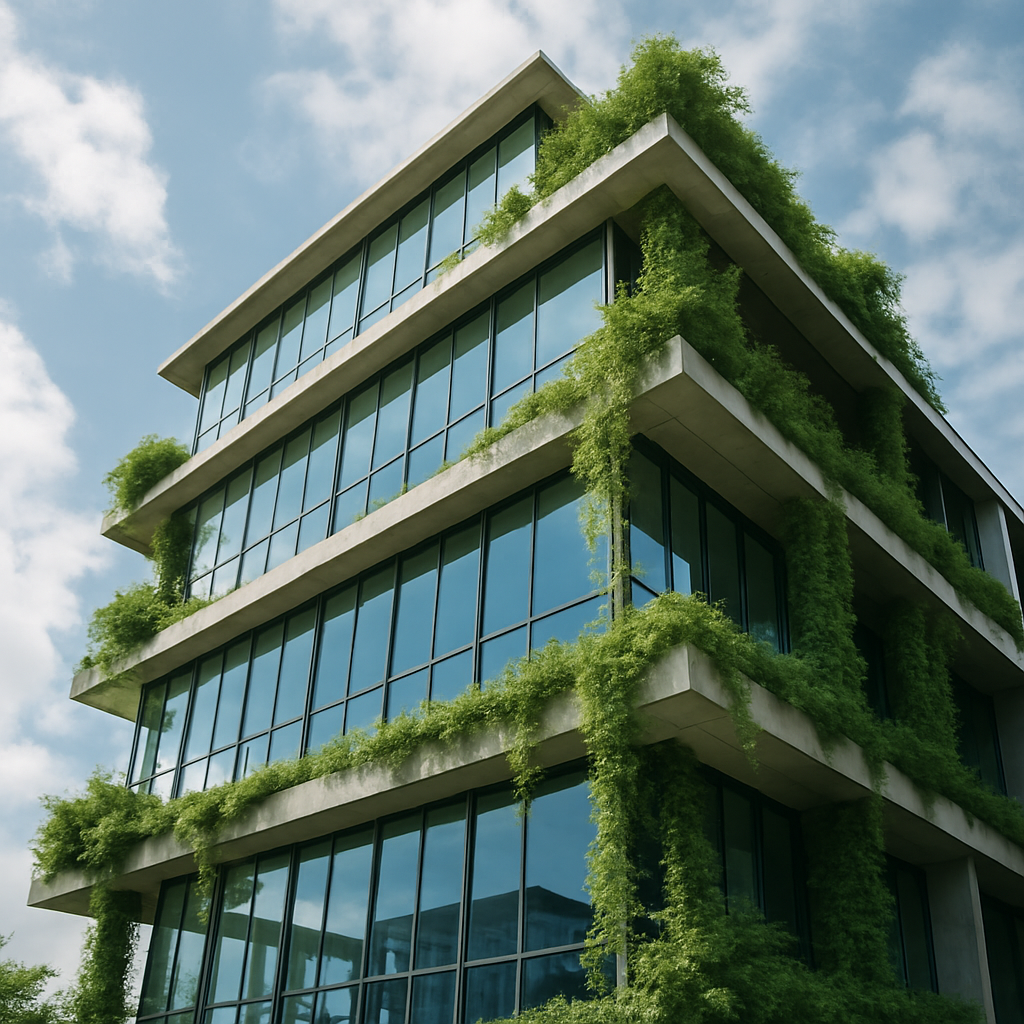
Let’s be honest: “green building” gets tossed around so much these days, it can start to sound like just another industry buzzword. But if you strip away the marketing, green building is far more than a trendy label or a checklist someone ticks off to keep regulators happy. At its heart, it’s a smart, hands-on approach to construction—one that actually makes a difference for people, budgets, and the environment. When we talk about green building, we’re talking about designing, constructing, and operating buildings in a way that genuinely cuts down on environmental harm, makes the best use of energy and water, and creates spaces where people can actually breathe easy and feel healthy. It goes way beyond just swapping in a few LED lightbulbs or slapping some solar panels on the roof. Green building is a way of thinking that weaves sustainability into every stage, from the first sketch on a napkin to the day a building is finally taken apart and its materials given new life elsewhere.
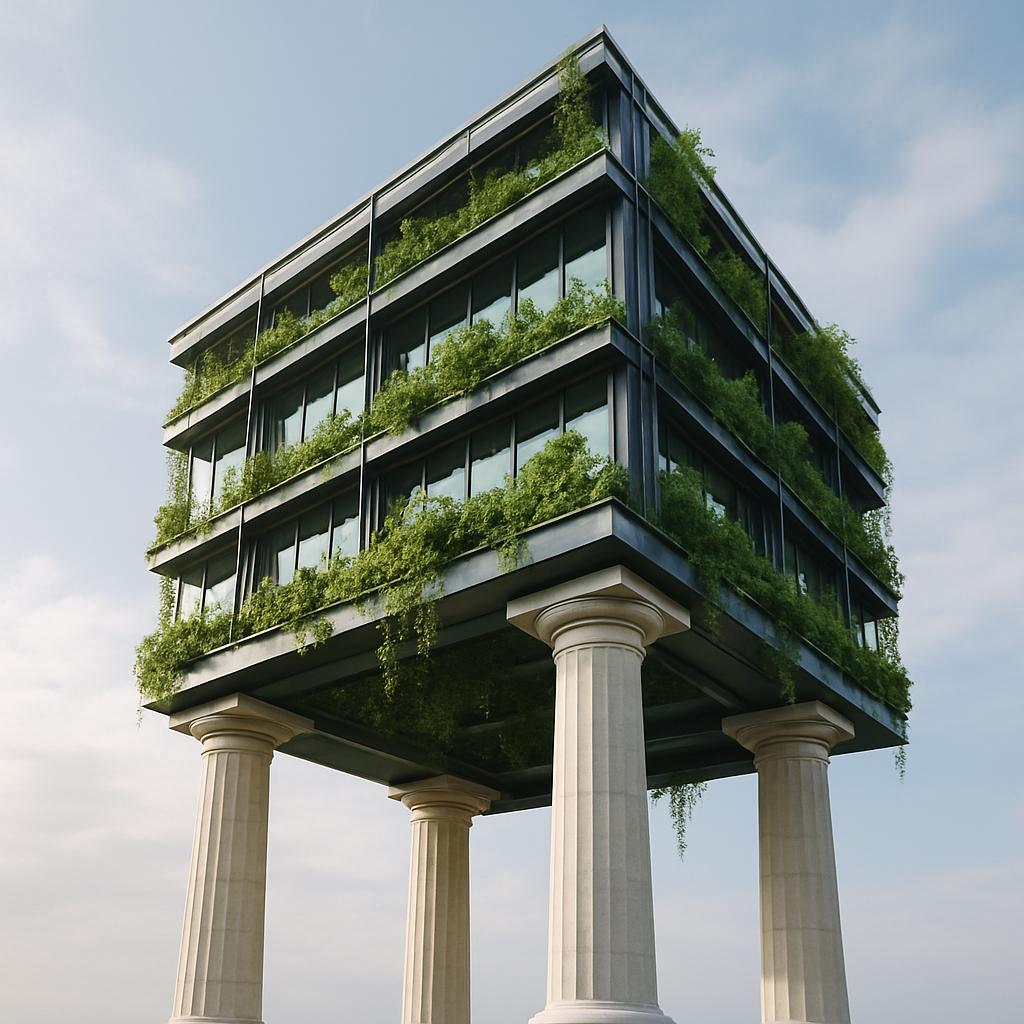
The meaning of green building has definitely changed over the years. Back in the early days, the focus was pretty much all on energy efficiency—think insulation upgrades and better boilers. But nowadays, truly successful projects take a much broader view. They consider everything from where materials come from and how much waste is created, to indoor air quality and even social equity. Certifications like LEED, BREEAM, or WELL can help guide the process, sure, but the real test is how these ideas actually play out over time. In our experience, the green buildings that really shine are those where sustainability isn’t just tacked on at the end—it’s built into the very foundation of the project. That means getting everyone involved early, setting goals that stretch the imagination but are still doable, and choosing solutions that make sense for the climate, culture, and community at hand.
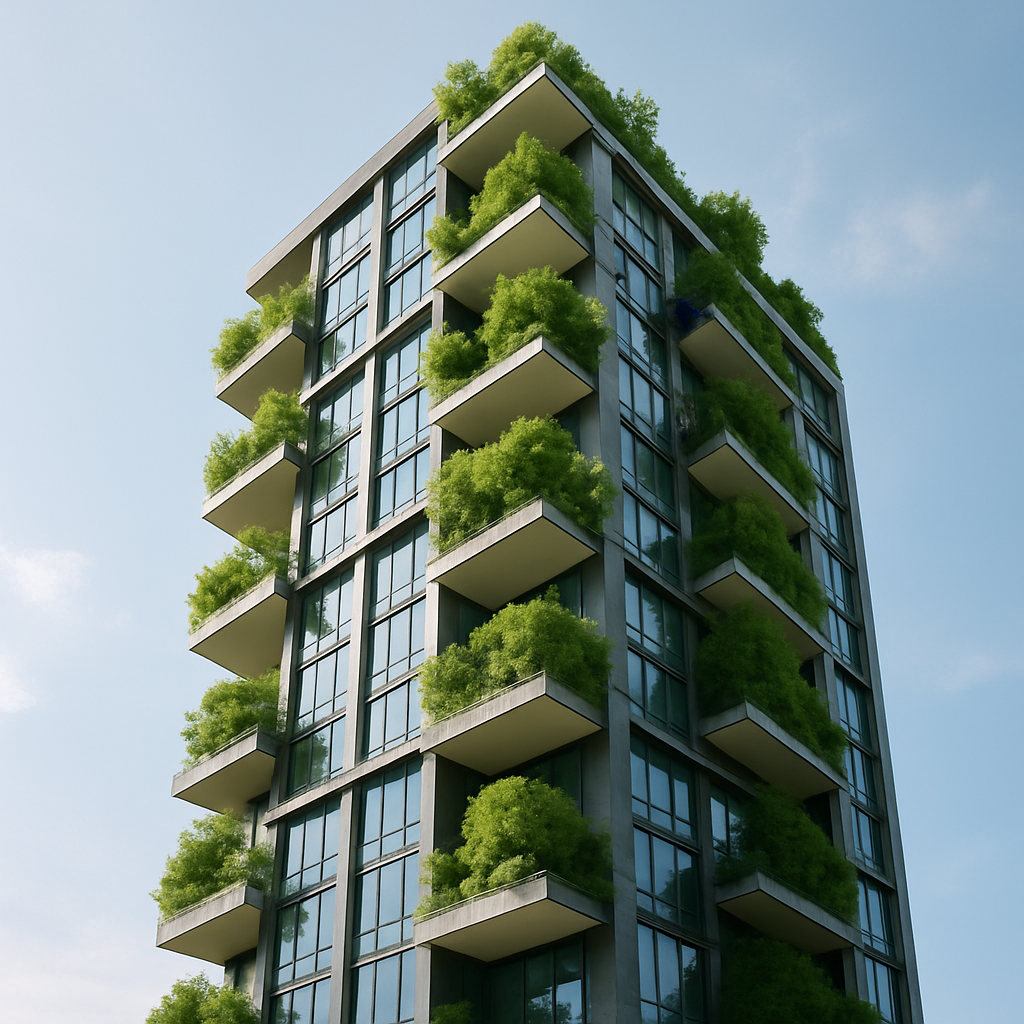
There’s a persistent myth floating around that green building is only for deep-pocketed developers or showpiece projects in glossy magazines. But believe it or not, there are loads of real-world examples showing that investing in sustainable design up front often pays for itself—and then some—thanks to lower energy bills, fewer headaches with maintenance, and greater long-term value. The trick is to make smart choices that balance the needs of the environment with the realities of running a business. There’s room for creativity and practicality here, and often, that’s where the magic happens.
Bottom line: successful green building doesn’t happen by accident. It takes clear vision, a willingness to work together, and a bit of courage to rethink “the way things have always been done.” So, what exactly sets the best projects apart? Let’s dig into the principles that make green buildings truly work—and last.
The Pillars of Proven Green Building Success
After years spent on construction sites, in design meetings, and analyzing what works (and what falls flat), we’ve noticed a few key pillars that support any truly effective green building effort. First and foremost, integrated design is absolutely essential. No exceptions. That means architects, engineers, builders, and owners all coming together from day one—not just meeting in the middle somewhere down the line. Everyone is on board with the sustainability goals from the get-go. This upfront teamwork helps avoid expensive conflicts and last-minute changes, and it encourages creative solutions you’d never reach in isolation. Take daylight for example: if you orient a building just right to soak up natural light, you can cut down on artificial lighting dramatically—but only if you plan for it from the start.
Another big one is choosing the right materials. This isn’t about defaulting to what’s always been used just because it’s easy. The best projects opt for materials that are locally sourced, rapidly renewable, or made from recycled content. We’ve watched schools built with cross-laminated timber not only lower their carbon footprint, but also become beautiful, inspiring spaces for students. On the commercial side, swapping in high-performance glass and insulation has slashed energy costs—often with no tradeoff in comfort or style. It’s about being intentional, not just going through the motions.
When it comes to energy and water, these systems really are the engines of any green building. Ideas like heat recovery ventilation, rainwater harvesting, or installing on-site renewable energy might sound ambitious, but we’ve seen these strategies deliver consistent, real-world savings. For instance, look at the Bullitt Center in Seattle: by combining a super-insulated building envelope with solar power and composting toilets, it has reached net-zero energy and water use—a feat that seemed out of reach for most commercial buildings just a decade ago.
Of course, there’s no one-size-fits-all playbook. What works beautifully in a cool, rainy climate may fall flat in a hot, dry region. That’s why truly successful projects always adapt—tuning their designs and solutions to local weather, resources, and even cultural practices. It’s this flexible, climate-responsive approach that separates buildings that just tick boxes from those that really stand the test of time.
Measuring Impact: From Metrics to Meaning
Good intentions are great, but if we’re serious about green building, we have to back up our efforts with real evidence. That’s where metrics come in. The best projects don’t just measure energy use and call it a day—they track everything from water consumption and indoor air quality, to how much waste gets diverted from the landfill, to how happy people are living or working in the space. And crucially, this isn’t a “set it and forget it” kind of thing. The data keeps flowing long after move-in, year in and year out. This steady stream of information means building teams can tune their systems, spot problems early, and share what’s working (and what’s not) with everyone else.
Here’s a real-world example: after evaluating dozens of schools with green certifications, it turns out students miss fewer days and score higher on tests when the air is cleaner and classrooms are brighter with daylight. It’s not just about saving energy—it’s actually about helping kids learn and thrive. In the world of business, companies that invest in advanced ventilation and temperature controls often see happier, more productive staff and better employee retention. It just goes to show that sustainability doesn’t only show up on the utility bill; sometimes, the biggest payoffs are in the people.
Transparency matters, too. Some of the most respected projects out there make their performance data public, inviting feedback and scrutiny. This spirit of openness builds trust and helps the whole industry move forward faster. Personally, I think the future of green building depends on exactly this kind of ongoing learning—where every building becomes both a finished product and a living experiment.
Of course, not every data point tells the full story. It’s easy to get fixated on kilowatt-hours and gallons saved, and miss the bigger picture of social or ecological health. That’s why we always encourage a balanced approach: look at human well-being, biodiversity, and community benefits right alongside resource savings. At the end of the day, a green building is only truly successful if it lifts the quality of life for everyone it touches—not just for the owners or investors.
Overcoming Barriers: Lessons from the Field
For all the progress, it’s no secret that green building still runs into resistance. Some of the most common stumbling blocks we run into are higher upfront costs (or at least the perception of them), limited technical know-how, red tape in the permitting process, and the plain old habit of sticking with what you know. But here’s the thing—every challenge is a chance to get creative and push the boundaries.
On the cost front, the smartest teams look beyond the sticker price and focus on the full picture. Lifecycle cost analysis becomes their secret weapon. By tallying up energy and maintenance savings, and even factoring in health benefits, we’ve helped clients make the case for sustainable choices—ones that might have been cut if the conversation stuck to raw construction budgets. Plus, when you partner with nearby suppliers and tradespeople who understand green tech, you can keep costs in check and get better results at the same time.
There’s also no substitute for learning together. We’ve found that when project teams invest in workshops, site walkthroughs, and honest peer-to-peer sharing (including what didn’t go as planned), everyone gets better. It’s how we build a culture where taking smart risks is encouraged, and where mistakes are just stepping stones on the road to better buildings.
Policy shifts sometimes get overlooked, but they can be game changers. When cities make it easier to get permits for green projects, offer bonuses for higher-density or require minimum energy standards, the local market can really take off. We’ve watched entire neighborhoods shift toward sustainability simply because local government sent a clear signal that this was the new normal—not the exception.
And maybe the biggest lesson of all? Stick with it. Trial-and-error is baked into this process. Not every system will run perfectly out of the gate, and sometimes building users won’t behave exactly as planned. But with good monitoring and a willingness to adapt, those early hiccups turn into valuable lessons. The green building community is fueled by iteration and resilience—not by waiting for everything to be flawless.
Looking Forward: The Future of Proven Green Building
If you’ve been following the space, you’ve probably noticed the pace of change in green building is picking up—fast. We’re seeing everything from smart sensors and dynamic facades to sophisticated building analytics, making it possible to tweak performance in real time rather than reacting after the fact. And there’s growing awareness around “embodied carbon”—that is, the carbon footprint of the materials used to build in the first place, not just how efficiently a building runs. That’s pushing designers and builders to take a much deeper look at materials and supply chains, not just operations.
One especially exciting development is the shift toward regenerative design. Instead of aiming to just “do less harm,” the new goal is for buildings to actively restore natural systems, create their own clean energy, and contribute positively to their surroundings. Projects targeting the Living Building Challenge are leading the way, showing that buildings can actually give back—recharging ecosystems and strengthening communities rather than draining them.
Social equity is finally getting the attention it deserves, too. More affordable housing projects are weaving green features into their designs, proving that sustainability doesn’t have to come at the cost of inclusivity. Developers are getting serious about engaging with residents, hiring locally, and creating spaces that help neighborhoods bounce back from tough times.
So, where does that leave us? For me, it’s crystal clear: green building isn’t some high-end extra for the eco-conscious elite. It’s a proven, practical way to create value, resilience, and real well-being for everyone. The question isn’t whether green building “works”—we have years of proof that it does. The real challenge is how we take these lessons to scale, keep learning from what goes wrong, and make sure every project, big or small, leaves a legacy we can all be proud of.